4 Nights · 5 Days · Delhi · Ranthambore
A dedicated safari-led escape — four full game drives through tiger territory, with no cities or monuments to compete for your time.
Private airport pickup in Delhi or Jaipur (whichever is more convenient for your flight), with direct transfer to Ranthambore by private vehicle (approximately 6-7 hours from Delhi, or 4 hours from Jaipur) or by train where convenient.
Check into your safari lodge in the afternoon.
Evening orientation briefing with your naturalist guide, covering what to expect across the days ahead and the park's current wildlife activity.
Dawn game drive into one zone of the park, exploring both wildlife trails and the historic ruins of Ranthambore Fort scattered throughout the reserve.
Return to the lodge for breakfast and rest during the midday heat.
Late-afternoon game drive in a different part of the same zone, timed for peak wildlife activity as temperatures cool.
Evening discussion with resident naturalists over dinner, covering the day's sightings.
Dawn game drive in a different zone of the park, maximising variety in terrain and sighting opportunities across your stay.
Midday rest at the lodge.
Final late-afternoon game drive, often timed to explore the lake-edge habitats of Padam Talao or Rajbagh, known for concentrated wildlife activity.
Farewell dinner at the lodge.
A flexible day — choose between an optional fifth safari drive (at additional cost), a visit to a local village to see rural Rajasthani life away from the park, or simply a day of rest at the lodge.
Evening at leisure.
Breakfast at leisure.
Private transfer back to Delhi or Jaipur Airport for your departure flight.
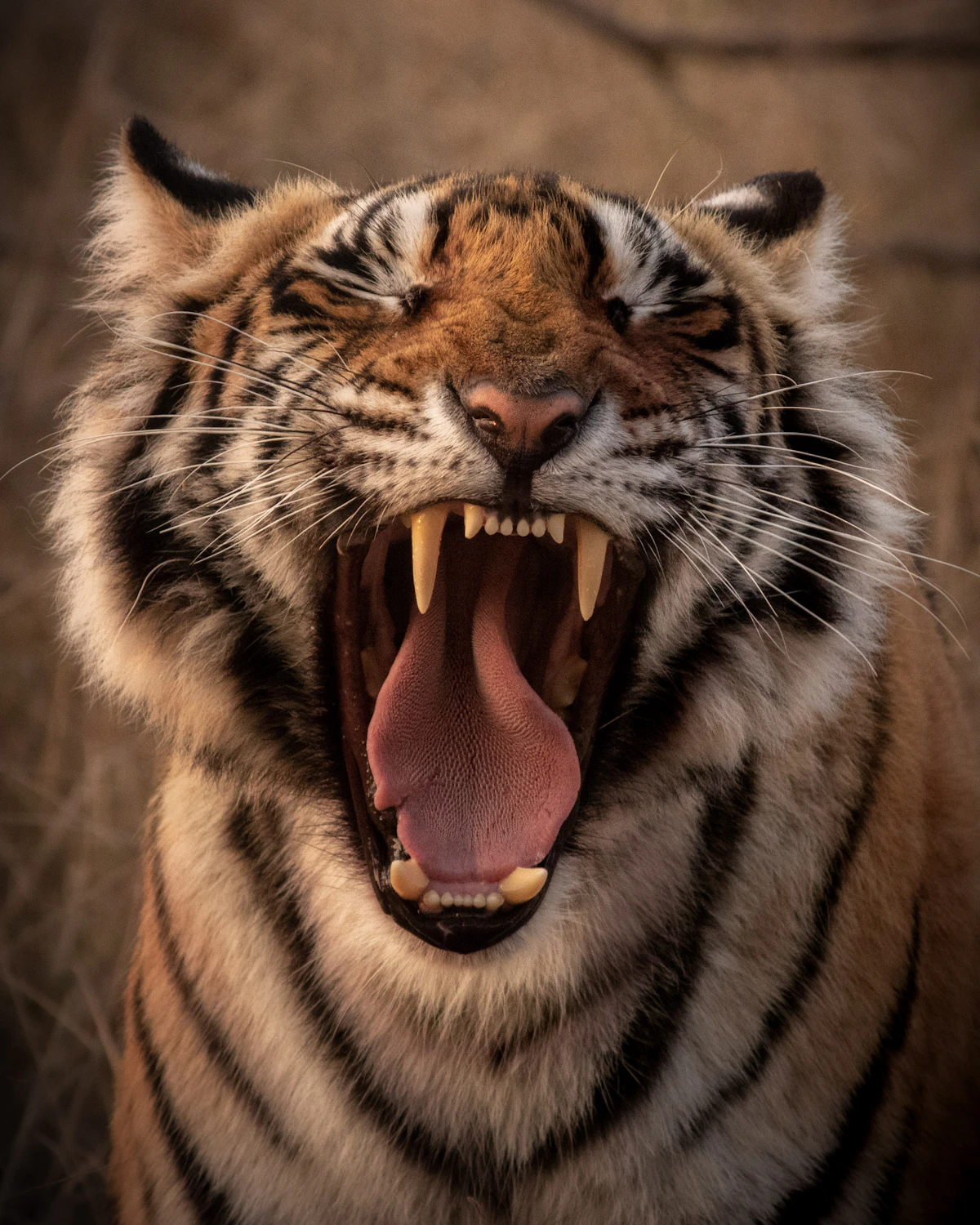
Not every traveller wants their wildlife experience squeezed between cities and monuments. For guests whose primary interest in India is genuinely the chance to see a wild tiger — rather than wildlife as a two-day add-on to a cultural circuit — this dedicated five-day journey strips away everything else and concentrates entirely on Ranthambore National Park, one of India’s most celebrated tiger reserves, with four full game drives and no competing sightseeing to divide your attention.
Tiger sightings in the wild are never guaranteed, and any operator who promises otherwise is not being straight with you. What dedicated time in the park does improve, substantially, are your odds — more drives across more zones, at the times of day when tigers are most active, with naturalist guides who know individual animals’ territories and recent movements. A two-day safari add-on within a longer cultural itinerary typically allows for two or perhaps three drives; this dedicated itinerary builds in four, deliberately spread across different zones of the park to maximise both the variety of terrain you see and your overall chance of a meaningful sighting.
What sets Ranthambore apart from many of India’s other tiger reserves is the presence of a vast, partially ruined tenth-century fort rising from the heart of the park itself. Ancient stepwells, crumbling hunting pavilions, and temple ruins are scattered throughout the landscape, frequently used by tigers and leopards as resting and territorial marking sites — meaning a single game drive here can move between genuine wildlife tracking and exploring the remains of a medieval fortress within the same hour. Several lakes within the park, including Padam Talao and Rajbagh, draw consistent wildlife activity and create some of the most photogenic backdrops of any tiger reserve in India, particularly during the cooler winter months when water sources are more concentrated.
Each full day includes a dawn drive and a late-afternoon drive, the two windows when wildlife activity peaks and the heat is most bearable. We deliberately schedule the two safari days to cover different zones of the park (Ranthambore operates a zone rotation system to limit vehicle pressure on any single area), giving you the broadest possible exposure to the park’s varied terrain — open grassland, dense dry-deciduous forest, and the lake-edge habitats that draw the highest concentration of prey species, and therefore predators.
Drives use open-sided 4×4 Gypsy vehicles, accompanied by both your private guide and a park-certified naturalist whose specific expertise is tracking and interpreting animal behaviour — a genuinely different skill from cultural or historical guiding, and one that meaningfully improves your odds of a sighting and your understanding of what you are seeing when it happens.
While the Bengal tiger is unquestionably the headline draw, Ranthambore supports a remarkably broad range of wildlife: leopards (more elusive than tigers, but present), sloth bears, marsh crocodiles basking along the lake edges, several species of deer including the elegant chital and the larger sambar, and an exceptional bird population — over 270 recorded species, making this a genuinely rewarding destination even for travellers whose primary interest is ornithological rather than big-cat focused.
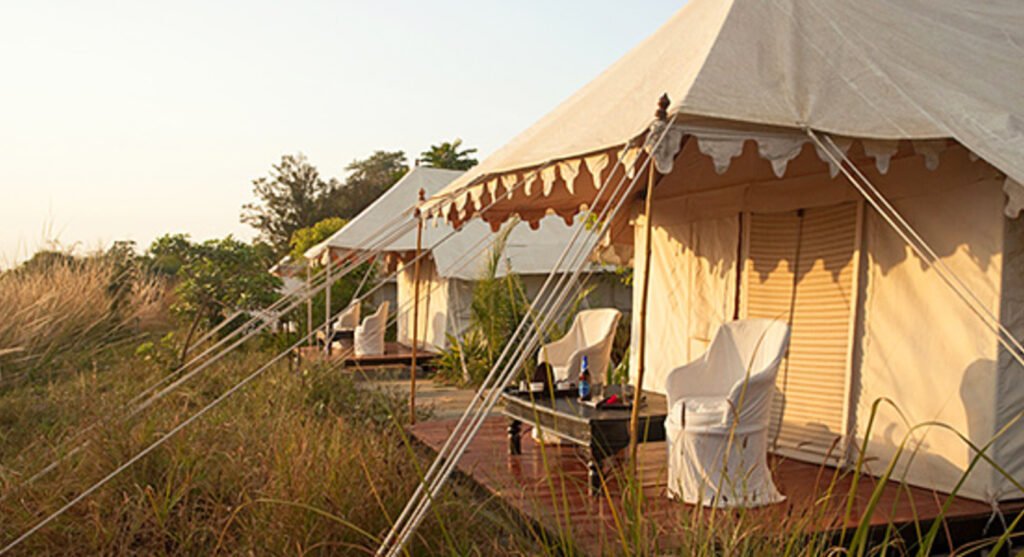
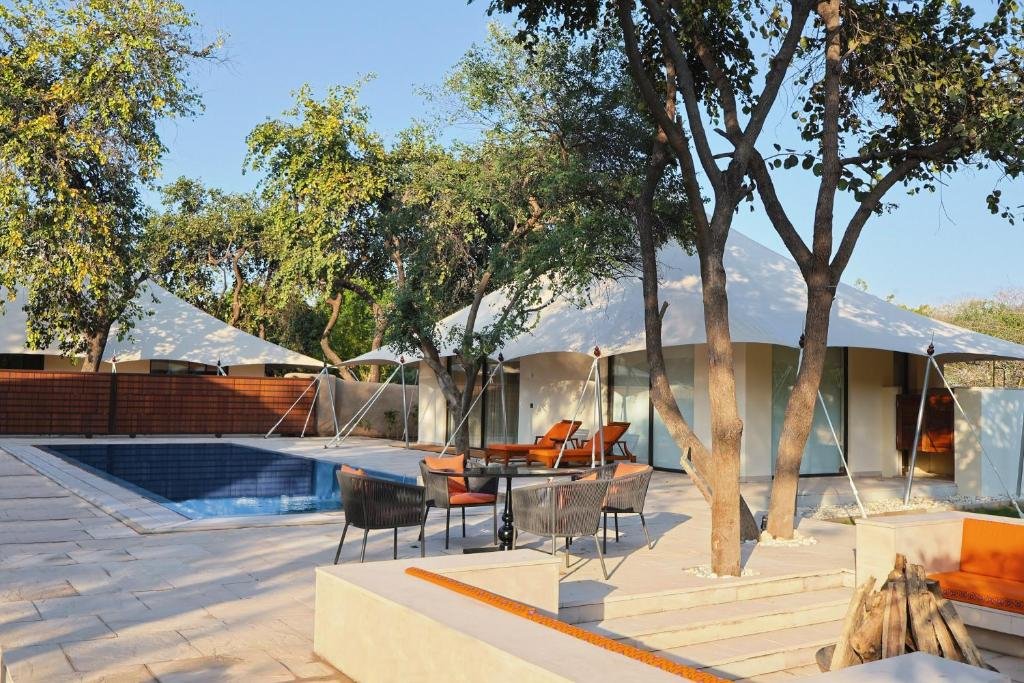
Accommodation for this itinerary is at a dedicated wildlife lodge on the park’s buffer zone, many of which are designed specifically around the safari experience — open common areas for evening discussion of the day’s sightings with fellow guests and naturalists, occasionally with wildlife visible from the property itself, and a noticeably different rhythm from a city hotel. Evenings typically include informal talks from resident naturalists, covering everything from individual tigers’ known territories and family histories to the broader conservation story of how Ranthambore recovered its tiger population over the past three decades.
Ranthambore National Park closes annually during the monsoon, typically July through September, when dense vegetation and flooded tracks make safaris impractical. The park reopens in October and remains open through June, with the hottest months (April–June) often producing the highest sighting rates as animals are drawn more predictably to the remaining water sources, at the cost of more demanding daytime heat. October through March offers the most comfortable overall conditions and remains our most recommended window for this itinerary.
Guests who have previously experienced wildlife only as a brief add-on within a larger cultural itinerary often tell us that a dedicated stay like this changes the entire character of the experience. Without a fixed cultural schedule pulling at your attention, the rhythm of the days settles into something closer to how serious wildlife travel is meant to feel — early starts that stop feeling like an inconvenience once you are out on a quiet forest track in the half-light before sunrise, long unhurried discussions over dinner with naturalists who have spent years, sometimes decades, studying this specific landscape, and the patience to sit quietly at a waterhole for twenty minutes on the chance that something extraordinary walks out of the treeline.
We also find that guests booking this dedicated format are often serious wildlife photographers, and the lodges we work with are well accustomed to their particular needs — flexible drive timing around golden-hour light, naturalist guides experienced in positioning vehicles for clean sightlines rather than simply the closest possible approach, and lodge environments quiet enough to process and review images between drives without distraction.
While this journey is designed to stand entirely on its own, it also combines naturally with our shorter Golden Triangle itineraries for guests who want a few intensive days of wildlife either before or after their cultural sightseeing, without diluting either experience by trying to do both within a single compressed week. Ranthambore’s proximity to Jaipur in particular makes this an easy addition — a short transfer rather than a major detour — for travellers who decide, even after their main itinerary is booked, that they would like to add a focused wildlife component.