8 Nights · 9 Days · Delhi · Ranthambore · Agra · Jaipur
Ranthambore National Park's ancient forts paired with the great cities. Bengal tiger encounters and Mughal monuments — the complete India experience.
Private airport pickup and transfer to your Delhi hotel.
Afternoon at leisure or an optional orientation drive past New Delhi's major landmarks.
Welcome dinner with your guide.
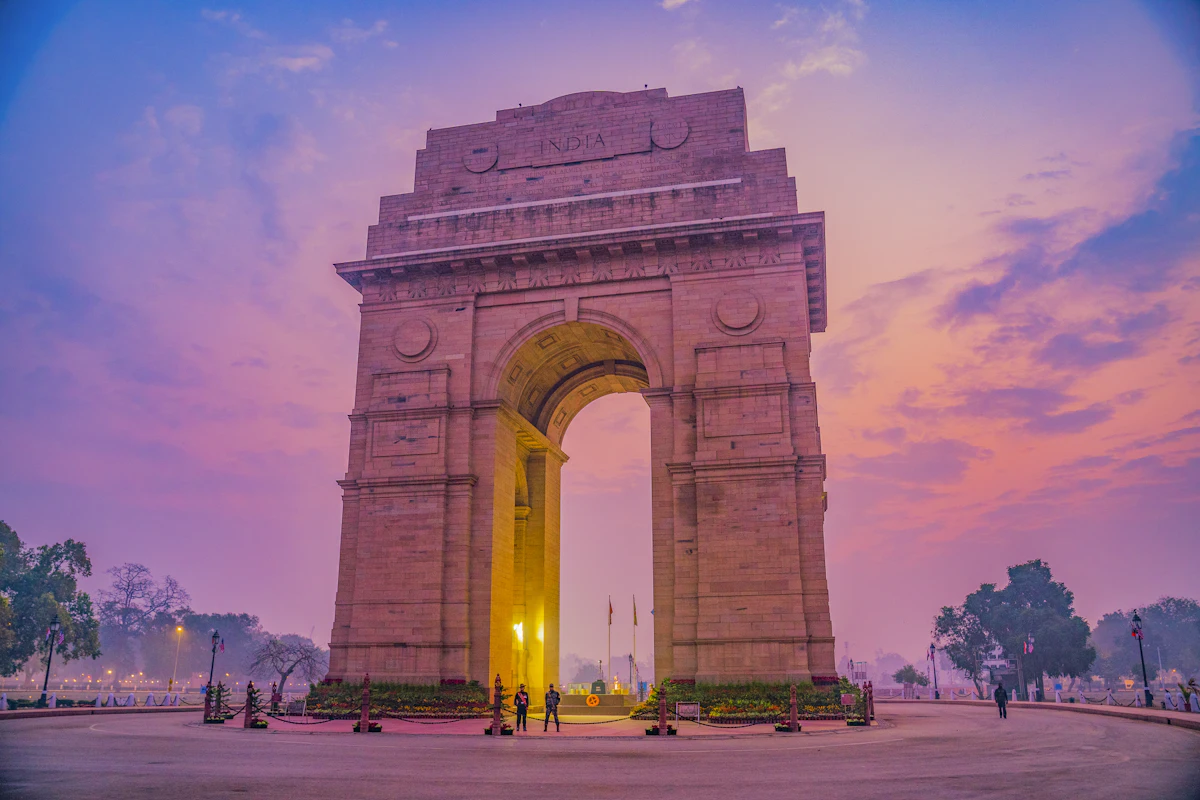
Full day exploring Old Delhi (Red Fort, Jama Masjid, Chandni Chowk rickshaw ride) and New Delhi (Humayun's Tomb, India Gate, Qutub Minar).
Evening at leisure.
Morning departure for Ranthambore by private vehicle (approximately 6–7 hours, or by train where convenient).
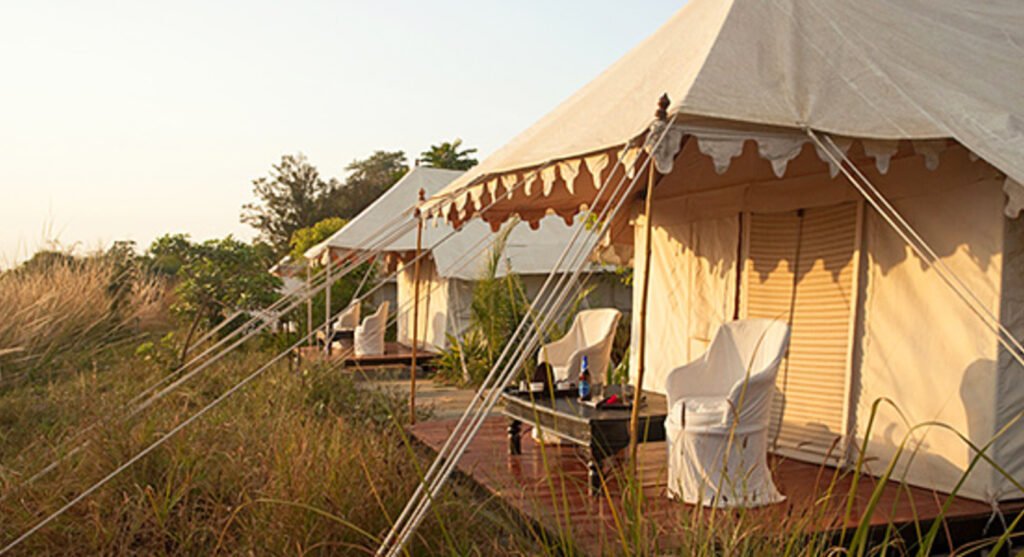
Check into your safari lodge in the afternoon.
Evening orientation with your naturalist guide, covering what to expect across the next two days of safari.
Dawn safari drive into the park's core zones, exploring both wildlife trails and the historic ruins scattered throughout the reserve.
Return to the lodge for breakfast and rest during the midday heat.
Late-afternoon safari drive, timed for peak wildlife activity as temperatures cool.
Dinner at the lodge, with naturalists often available to discuss the day's sightings.
Final dawn safari drive in a different zone of the park, maximising variety in terrain and sighting opportunities.
After breakfast, depart for Agra (approximately 4–5 hours).
Check into your Agra hotel in the evening.
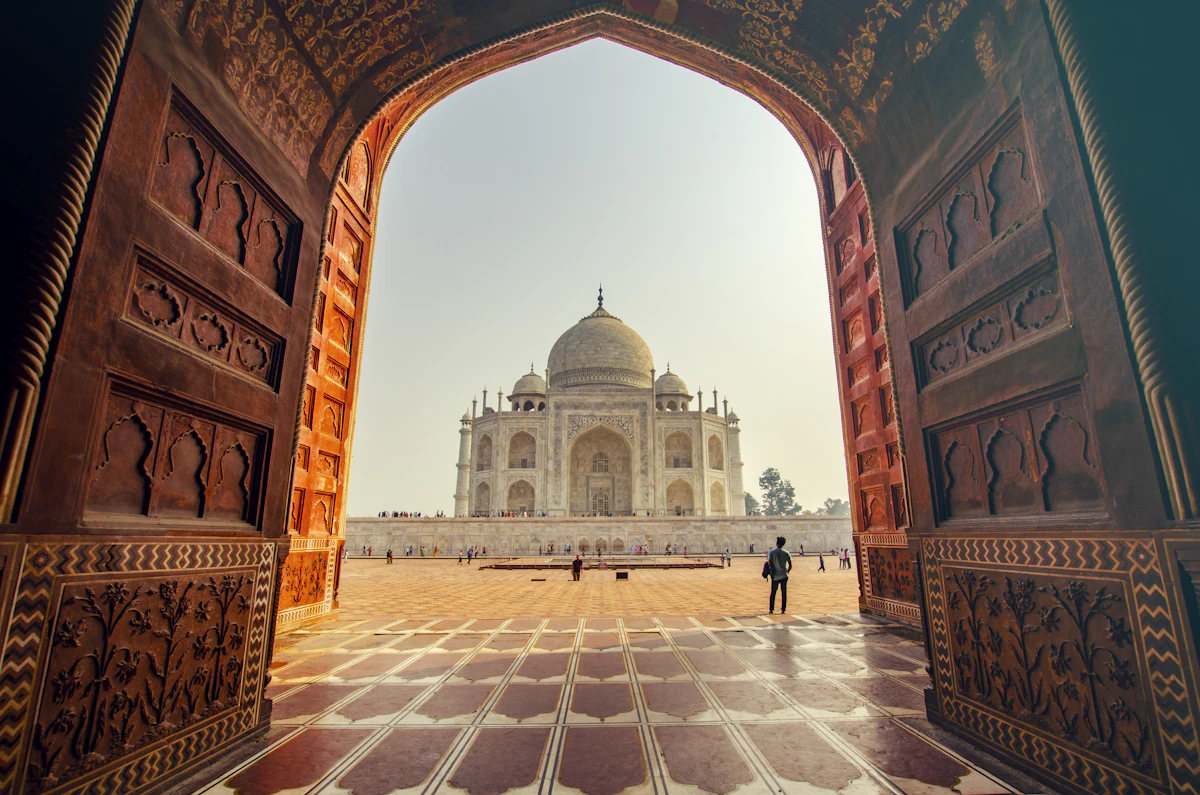
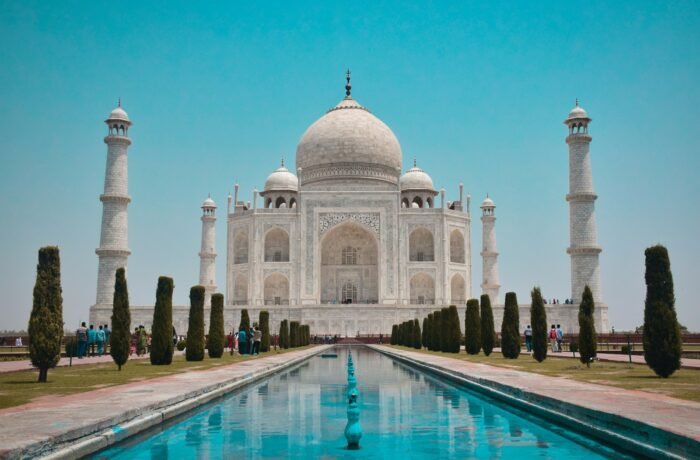
Early sunrise visit to the Taj Mahal.
Visit Agra Fort after breakfast.
Afternoon at leisure, or an optional visit to a marble inlay workshop.
Depart Agra, stopping at Fatehpur Sikri en route.
Continue to Jaipur (combined driving approximately 5–6 hours).
Check into your Jaipur hotel in the evening.
Morning at Amber Fort.
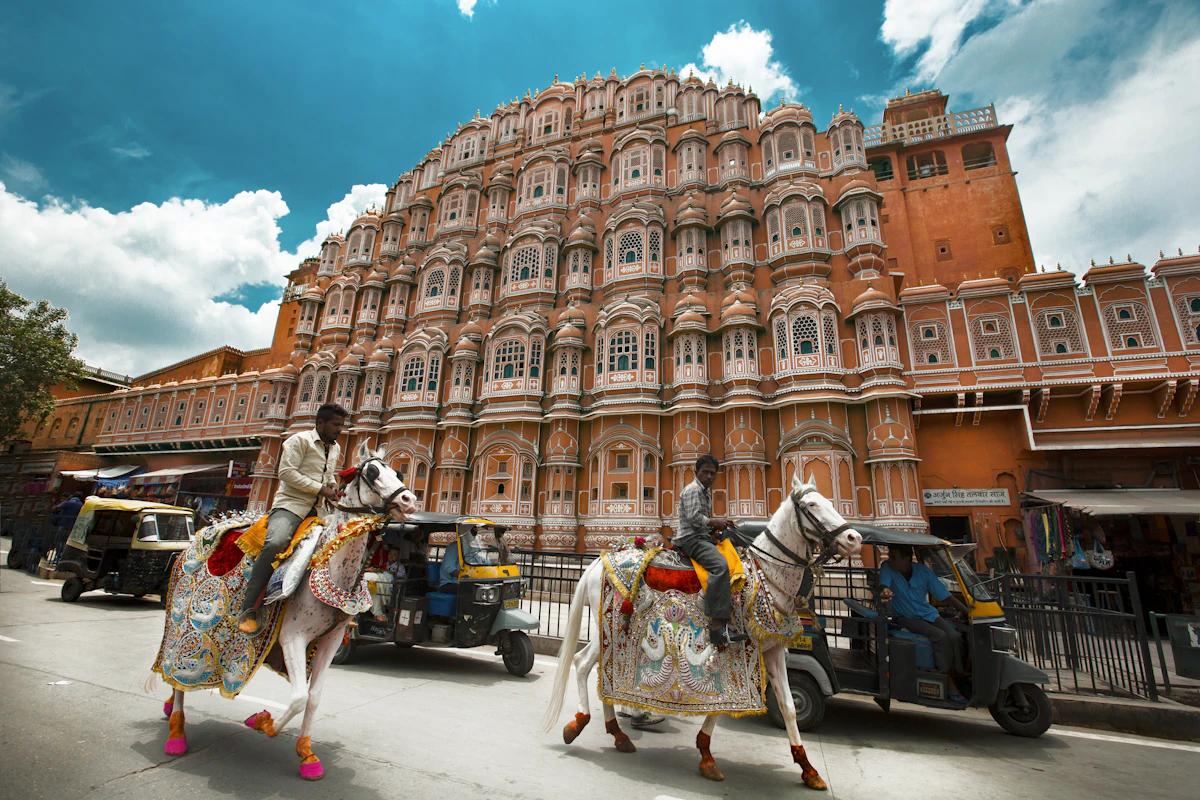
Afternoon visit to the City Palace and Jantar Mantar, with a photo stop at the Hawa Mahal.
Evening free for shopping in the old city.
Breakfast at leisure.
Private transfer to Jaipur Airport for your departure flight.
Most visitors to India are surprised to learn that one of the world’s best chances of seeing a wild tiger sits almost directly on the Golden Triangle route. Ranthambore National Park, a former royal hunting ground turned one of India’s most successful tiger conservation areas, lies roughly midway between Jaipur and Agra — close enough to fold seamlessly into the classic circuit, yet wild enough to feel like an entirely different country. This nine-day journey combines the cultural essentials of Delhi, Agra and Jaipur with two full days dedicated to wildlife, built around the rhythms of safari rather than monument-hopping.
What makes Ranthambore unusual, even among India’s tiger reserves, is the presence of a vast, partially ruined tenth-century fort rising from the heart of the park itself, its walls and crumbling pavilions now reclaimed by jungle and frequently used as resting spots by leopards, sloth bears and the tigers the park is famous for. Safari drives here are not simply about spotting wildlife against a generic backdrop — ancient stepwells, hunting pavilions and temple ruins appear constantly throughout the landscape, giving Ranthambore a sense of layered history that few wildlife parks anywhere in the world can match.
The park’s tiger population has grown substantially over the past two decades thanks to dedicated conservation work, and several of its resident tigers have become well known individually to naturalists and repeat visitors, tracked across years through ear-notch patterns and territorial behaviour. Sightings are never guaranteed — no responsible operator will promise you a tiger, since these are wild animals in a genuinely wild landscape — but Ranthambore’s sighting rates are among the highest of any tiger reserve in India, and the surrounding scenery, dotted with lakes, ancient banyan trees and the looming fort, rewards the visit regardless of what you encounter on any single drive.
We schedule two full safari days, each with both a dawn and a late-afternoon game drive — the two periods when wildlife activity is highest and the heat lowest. Drives use open-sided 4×4 Gypsy vehicles with a maximum of six guests, accompanied by a park-certified naturalist guide in addition to your own private guide, since naturalist knowledge of animal behaviour and tracking is a genuinely different skill set from cultural and historical guiding. Between drives, you will have time to rest at your lodge, many of which are built specifically to overlook the park’s buffer zones, occasionally with wildlife visible from the property itself.
Beyond tigers, Ranthambore supports leopards, sloth bears, marsh crocodiles, several deer species, and an exceptional range of birdlife — over 270 species recorded within the park, making this a rewarding destination even for guests whose primary interest is birdwatching rather than big cats.
The remaining days follow the structure that makes the Golden Triangle India’s defining journey: Old and New Delhi’s contrast between Mughal and colonial history, sunrise at the Taj Mahal in Agra, and the pink sandstone forts and palaces of Jaipur. We position the safari days in the middle of the itinerary, between Jaipur and Agra, so the shift from cultural sightseeing into wilderness — and back again — happens gradually rather than abruptly.
This sequencing also has a practical benefit: Ranthambore sits almost exactly on the direct road route between Jaipur and Agra, meaning the safari days add relatively little extra driving compared to a standard Golden Triangle itinerary, while delivering an experience entirely distinct from anything else on the route.
Ranthambore National Park closes annually during the monsoon season, typically from July through September, when dense vegetation and flooded tracks make safari driving impractical and unsafe for wildlife. The park is at its best from October through to June, with the hottest months (April–June) often producing the highest tiger sighting rates, since animals are drawn more predictably to remaining water sources as temperatures rise — though obviously at the cost of more demanding daytime heat for visitors. October through March remains the most comfortable window for combining safari with general sightseeing, and is what we recommend for most travellers.
This itinerary has become particularly popular with families travelling with older children and with dedicated wildlife photographers, for different but complementary reasons — families appreciate the genuine excitement and unpredictability safari brings to a trip that might otherwise be entirely monument-focused, while serious photographers value Ranthambore’s relatively open terrain (compared to denser forests elsewhere in India), which often allows for clearer sightings and better photographic opportunities than many other tiger reserves in the country.
Ranthambore’s recovery as a tiger habitat is one of India’s genuine conservation success stories, achieved through a combination of strict zone rotation (allowing different parts of the park to rest from vehicle traffic), community engagement with villages along the park’s buffer zones, and decades of dedicated forest department management. We work exclusively with naturalist guides and lodges who operate within these conservation guidelines — respecting vehicle limits per zone, maintaining safe distances from wildlife, and avoiding the kind of aggressive jeep-chasing behaviour that, unfortunately, still occurs at some less responsibly managed parks in India. Choosing a private safari with us means your visit supports rather than undermines the very conservation work that makes Ranthambore’s tigers visible in the first place.
Mornings inside the park, particularly between November and February, can be genuinely cold before sunrise, even though Rajasthan’s daytime temperatures climb significantly once the sun is up — we recommend layered clothing for safari mornings regardless of season. Binoculars are useful but not essential, since naturalist guides are skilled at positioning vehicles for the best possible view once an animal is spotted. Neutral-coloured clothing (avoiding bright colours or all-white, which can be unexpectedly conspicuous to wildlife) is generally recommended, along with sun protection for the open-sided vehicles used on most drives.