Houseboat nights on the backwaters, misty tea plantations in Munnar, and the laid-back rhythm of God's Own Country.
Tour Highlights


← Scroll to explore the destinations on this tour →
Day by Day Itinerary
On arrival in Cochin you will be met by our representative and transferred to your hotel to freshen up. This evening you will then get the chance to enjoy a remarkable performance of Kerala's famous Kathakali dancing. With origins in the 17th century, Kathakali is a highly stylised classical dance characterised by its bright costumes and the heavily painted faces of the performers, giving an insight into the ancient stories and heritage of South India.
This morning you will be taken to a local home where you will learn how to cook a traditional Keralan meal before enjoying the meal with your host in their dining room. Explore the local market and learn about the different ingredients and enjoy a true culinary adventure with one of Cochin's top experts. After your delicious lunch, you can enjoy a tour of the 'Queen of the Arabian Sea'. The oldest European settlement in India, Cochin is a vibrant mix of Arab, Chinese, European and Indian influences and home to the oldest church and the oldest synagogue in the country. Make sure to also visit Mattancherry Palace, also know as the Dutch Palace, a fine example of Keralan architecture fused with colonial influences.
Today you leave the coast behind and head into the lush hills of the Western Ghats and the hill-town resort of Munnar. Strategically located at the confluence of three rivers, the town sits high amongst the cool highlands, surrounded by tea plantations and the mist shrouded hills of the Western Ghats.
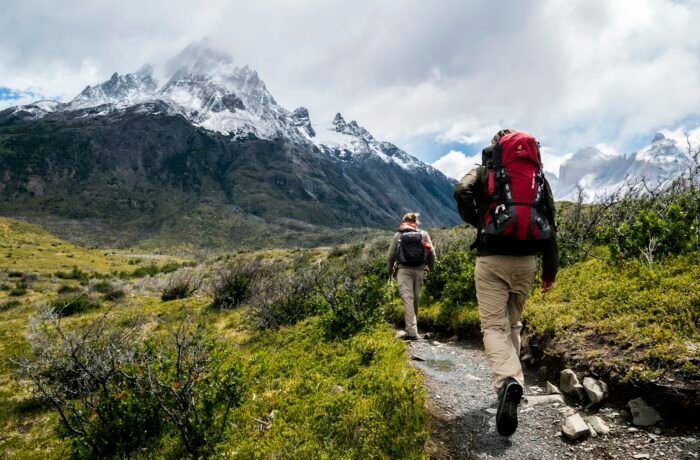
Today you will explore on foot through the beautiful Letchmi hills. Your walk will bring you through tea plantations, patches of Shola forest and grasslands as well as treating you to views of Idukki Dam, the highest arch dam in Asia, and Anaimudi, the highest peak in South India. Look out for exotic species and endemic birds of the Western Ghats, part of one of the world's Biodiversity hotspots and enjoy a picturesque picnic along the way. Drive back to Munnar with the option of visiting a tea museum or the Srishti employment project.
After breakfast you will travel to Thekkady, home of Periyar National Park, a community-based ecotourism project which aims to protect the rare flora and fauna of the region as well as providing a living for the residents of the area. This afternoon you may like to head out to explore by electric bicycle, try your hand at paper making at the hotel's paper centre or explore the spice plantation.
The morning will be spent in Periyar National Park, hiking and bamboo rafting through the wilder forest of the reserve. Animals such as tigers, elephants, gaur, wild boar, sambar, giant squirrels and over 300 species of birds have all been recorded in the park. In the afternoon you can relax and explore the local town for Keralan spices.
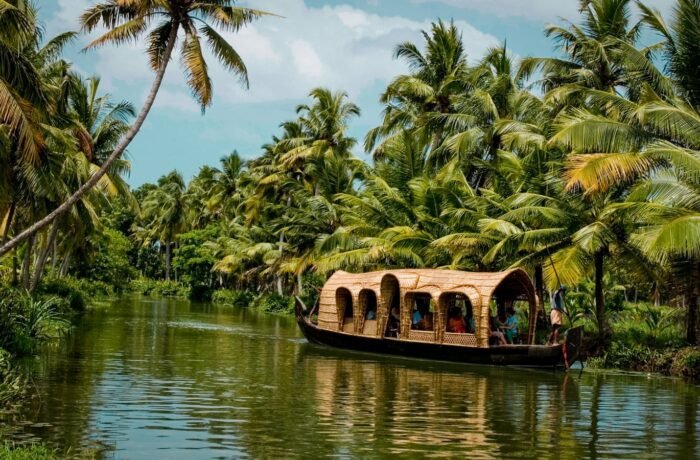
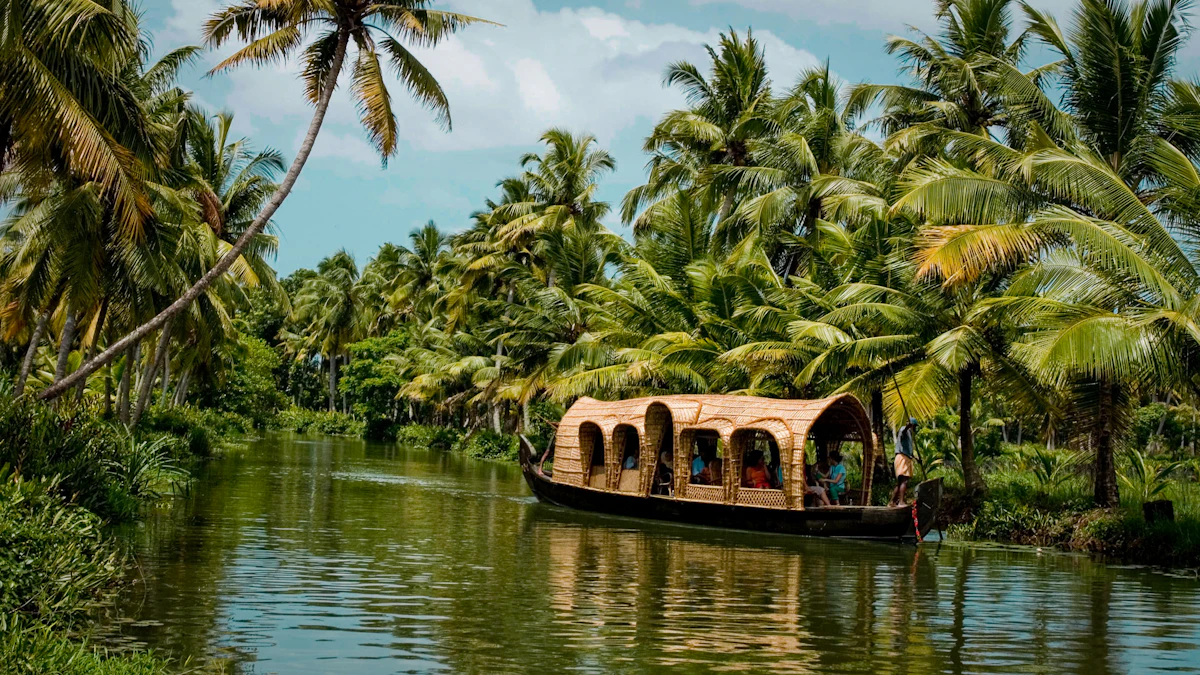
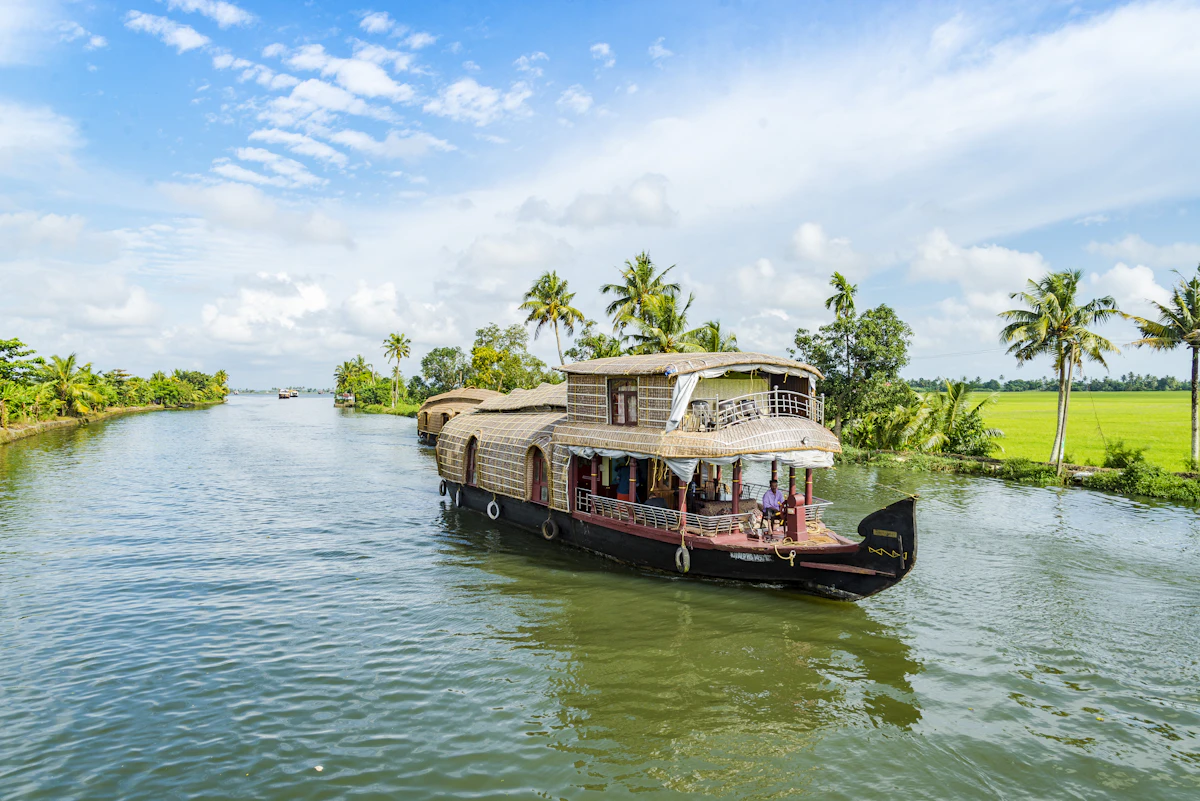
This morning you will transfer to the backwaters, where you will board your houseboat to experience one of the most serene and beautiful landscapes in Asia — traditional wooden houseboats gently drifting through the palm-fringed canals as the sun sets behind the paddy fields.
Enjoy a lazy morning drifting through the canals on your houseboat, exploring the villages and local life of the backwaters.
Disembark from your houseboat and drive to Kochi for a walking tour of historic Fort Kochi — the remarkable Chinese fishing nets, the Dutch Palace, the Paradesi Synagogue and the charming colonial-era streets. Then join a local family for an afternoon cooking class.
After a final breakfast the tour concludes in Kochi. Transfers to Kochi International Airport can be arranged.
About This Journey
Discover the laid-back beauty of Kerala — God’s Own Country — on this tailor-made private journey through India’s most tropical and naturally beautiful state. Starting in Kochi with its remarkable colonial heritage and famous Kathakali dance performances, we travel through the tea and spice plantations of the Western Ghats, the wildlife of Periyar National Park, and the famous backwaters of Alleppey — cruising for two nights aboard a traditional houseboat through the palm-fringed canals.
Highlights
Watch Kerala’s famous Kathakali dance performance in Kochi with its extraordinary costumes and face paint. Drive into the Western Ghats and walk through tea plantations in Munnar. Hike through the Letchmi Hills on foot, exploring shola forest and grasslands. Visit Periyar National Park and its remarkable community-based ecotourism project. Two nights on a traditional Kerala houseboat cruising the famous backwaters.
This is an example itinerary. Our experts have all travelled widely in the region and will be happy to tailor any of our itineraries to suit your tastes and budget, or build a trip from scratch.
Accommodation Used On This Tour
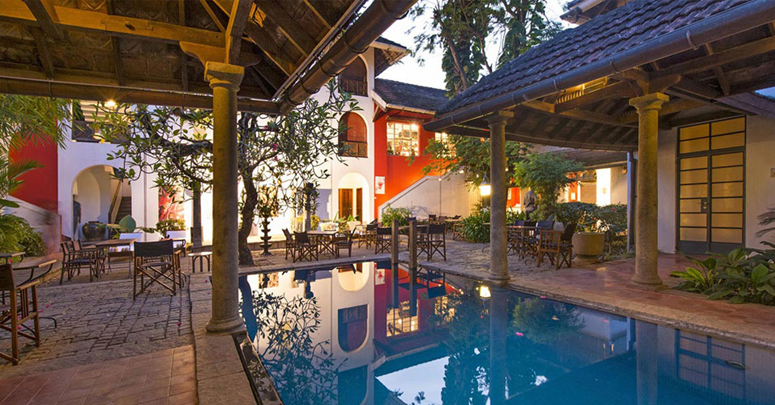
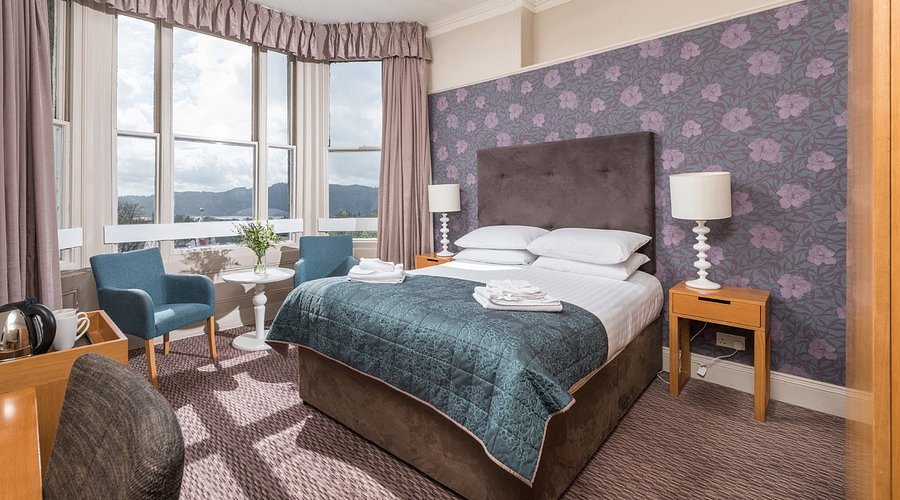
Malabar House
Kochi's first boutique heritage hotel, Malabar House occupies a 1755 colonial residence beside the Parade Ground in Fort Kochi. Its rooms blend period architecture with contemporary South Indian art, its restaurant is one of Kerala's most celebrated, and the location is unmatched for exploring the old town on foot.
Windermere Hotel
A planter's retreat in the hills of Munnar, Windermere Estate sits amid cardamom and coffee plantations at 1,600 metres. Its cottages overlook the valleys of the Western Ghats and its garden paths lead directly into the surrounding plantations.
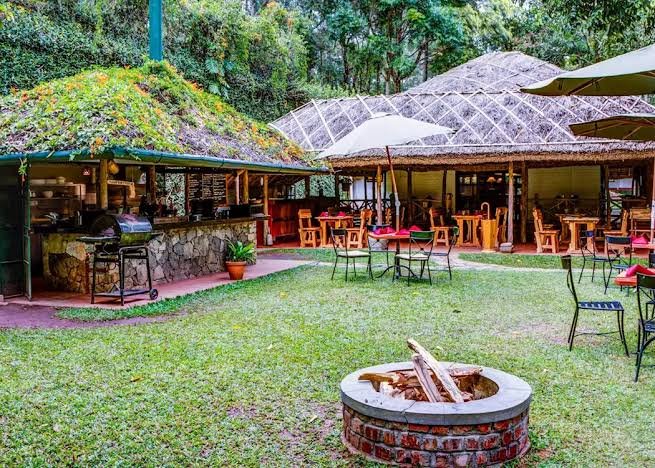
Spice Village CGH Earth
An eco-resort at Thekkady built within a working spice garden, Spice Village's thatched cottages are modelled on tribal dwellings of the Periyar forest. The resort grows its own spices and vegetables, its naturalists lead garden walks and the adjacent Periyar sanctuary brings wildlife to the property boundary.
Accommodation displayed here should be taken as a guide only. Please refer to the detailed itinerary of your individual departure for more information.
Where You Stay
What's Included
Frequently Asked Questions
October to March offers the most comfortable weather — warm days, low humidity and minimal rainfall. April and May are hot; June to September is the southwest monsoon, which brings lush green landscapes but heavy rain on the Kerala coast.
Traditional Kerala houseboats (kettuvallams) are converted rice barges with private bedrooms, en suite bathrooms, a dining area and sun deck. A dedicated crew of two or three — including a cook preparing fresh Keralan meals — accompanies each boat as you cruise the palm-fringed backwater canals.
Kerala cuisine is generally milder than North Indian food, with coconut, curry leaves and seafood at its heart. Hotels and houseboats readily adjust spice levels, and vegetarian options are outstanding throughout the region.
Yes — beach extensions, additional wildlife parks, Ayurvedic retreats and different hotels can all be woven in. Contact us to shape the perfect South India journey.
Other Journeys You May Like