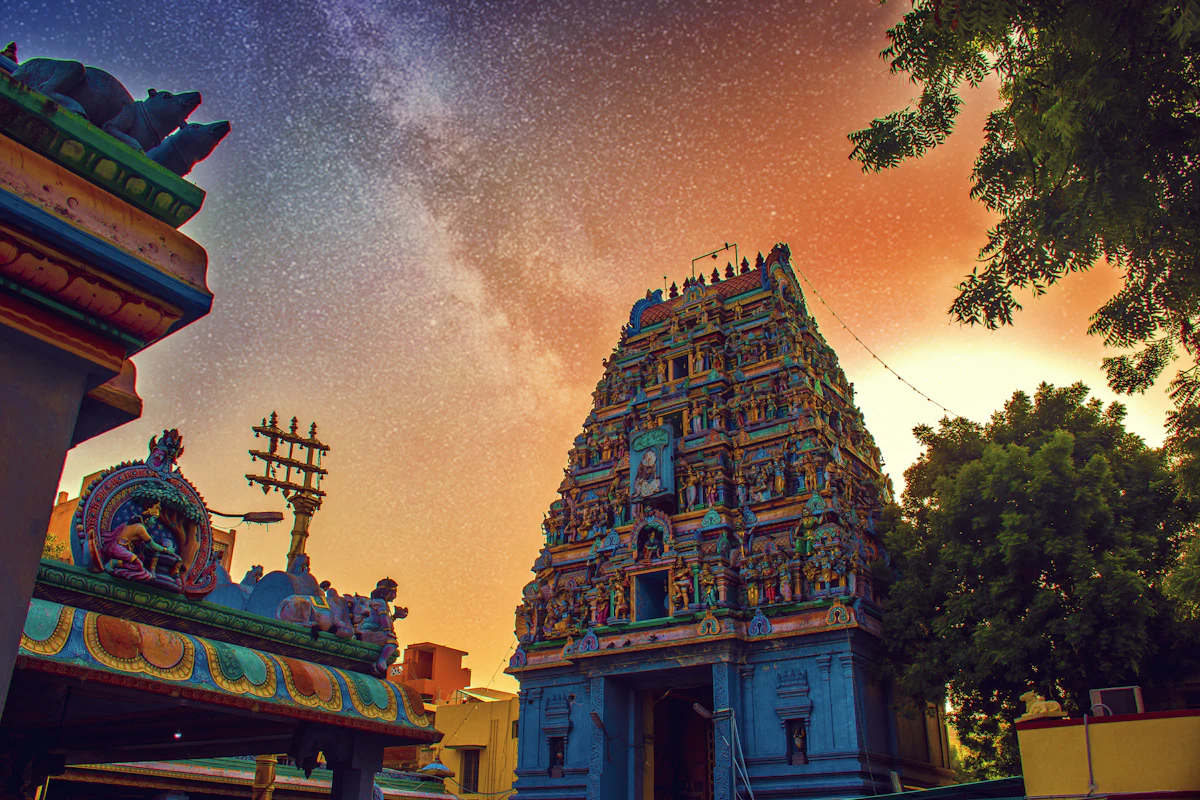
Towering Dravidian temple gateways, Chola-era bronze masterpieces and the quiet French quarter of Pondicherry.
Tour Highlights

← Scroll to explore the destinations on this tour →
Day by Day Itinerary
On arrival in Bangalore today, you will be met at the airport by our representative and driven to Mysore, travelling via the culturally and historically important town of Srirangapatnam.
A day in the cultural capital of Karnataka provides an opportunity to enjoy the city that once lay at the heart of the Mysore Princely Kingdom. Begin the day with a visit to the colourful and less-visited Devaraja Flower Market, a wonderful way to observe daily life in the city. Accompanied by a local guide you'll then learn about the battles fought between the British and Tipu Sultan, the famed 'Tiger of Mysore'. You'll also visit Mysore's opulent palace, still the official residence of the Wadiyar dynasty that once ruled here. Finally, you'll enjoy the colour and vibrancy of the local markets and discover first hand why food is as important as tradition to the residents of Mysore.
A further morning in Mysore allows you to explore the city under your own steam, take in some of the architecture, perhaps the Jaganmohan Palace which houses the Jayachamarajendra Art Gallery. The city is also known as a centre for yoga and there are many ayurvedic centres where you can have a treatment. In the afternoon drive on to Hassan.
Hassan lies in the heart of the Hoysala Kingdom, a powerful empire that ruled between the 10th and 14th centuries known for its art, architecture and religion, and left behind a large collection of palaces and temples in their distinctive architectural form. Head this morning to Belur, home to the Channakeshava Temple, over a century in building, temple has been in use for over 900 years and still sees daily worshippers for the puja ceremonies. The second capital Halebid also pays tribute to the architectural forms with the stunning Hoysaleswara Temple rising from the city with its black stone inner sanctum and intricately sculpted outer walls. A visit to Shrivanabelagola will involve a walk up 614 steps to the epic 17.5m high statue of Gomateshvara, a Jain deity.
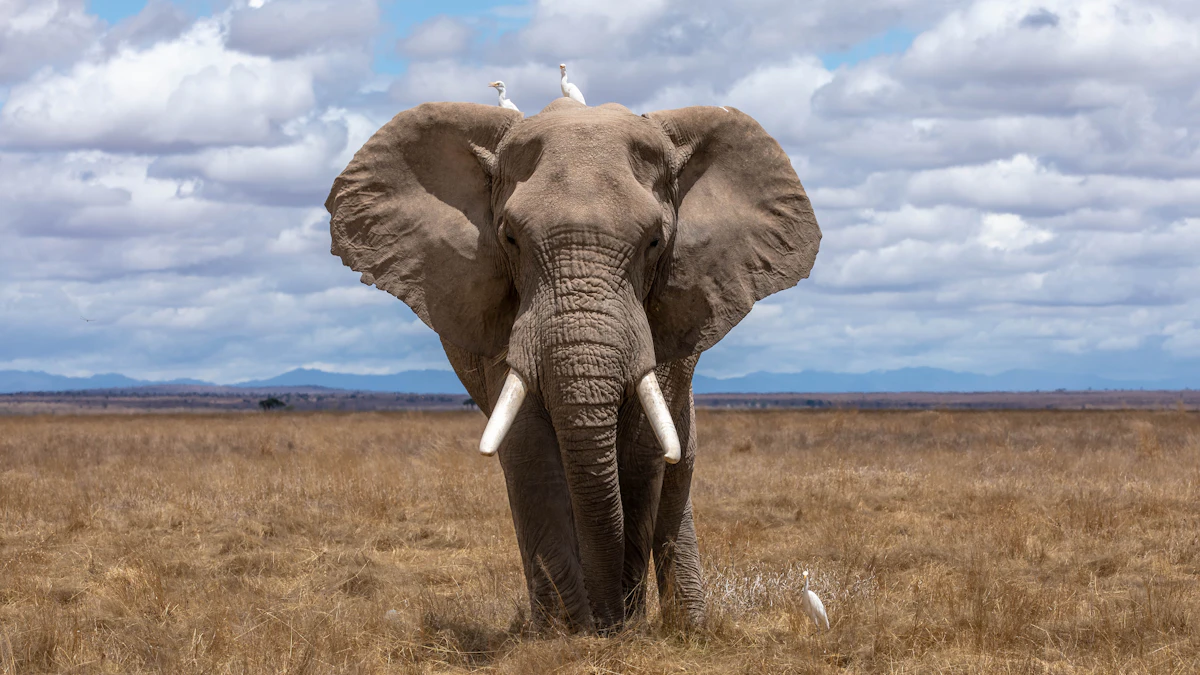
Journey to Nagarhole National Park, an area of deciduous forest by the Kabini River which houses an array of large mammals such as tigers, leopards and elephants as well as over 250 species of birds. With a free afternoon there is time to relax by the pool or sit out on the viewing deck spotting some of the birdlife, if this sounds too restful then it is possible to take one of the bicycle from the lodge to explore the countryside and rural communities.
Two game drives through Nagarhole — morning and afternoon — in search of tigers, leopards, elephants, gaur and the remarkable birdlife of this Project Tiger reserve.
Boat safari on the Kabini reservoir — one of South India's most remarkable wildlife experiences, particularly famous for its elephant herds.
Long drive south through Karnataka and Tamil Nadu to Madurai. Afternoon exploring the Meenakshi Temple.
Drive from Madurai to Kochi through the Tamil Nadu and Kerala countryside.
Full day exploring Fort Kochi — Chinese fishing nets, Dutch Palace, Paradesi Synagogue and the craft markets of Jew Town.
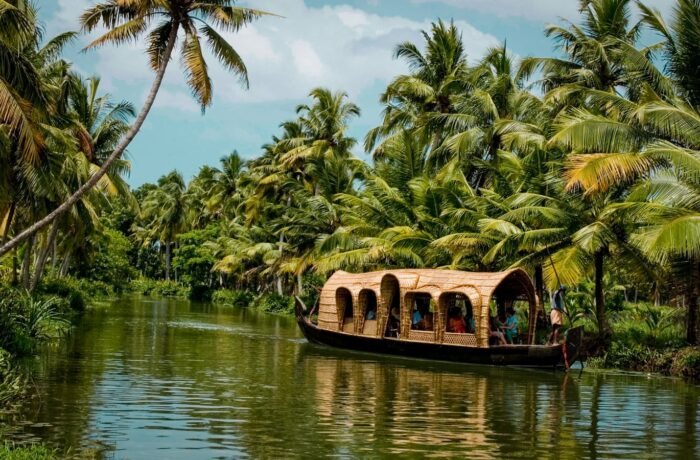
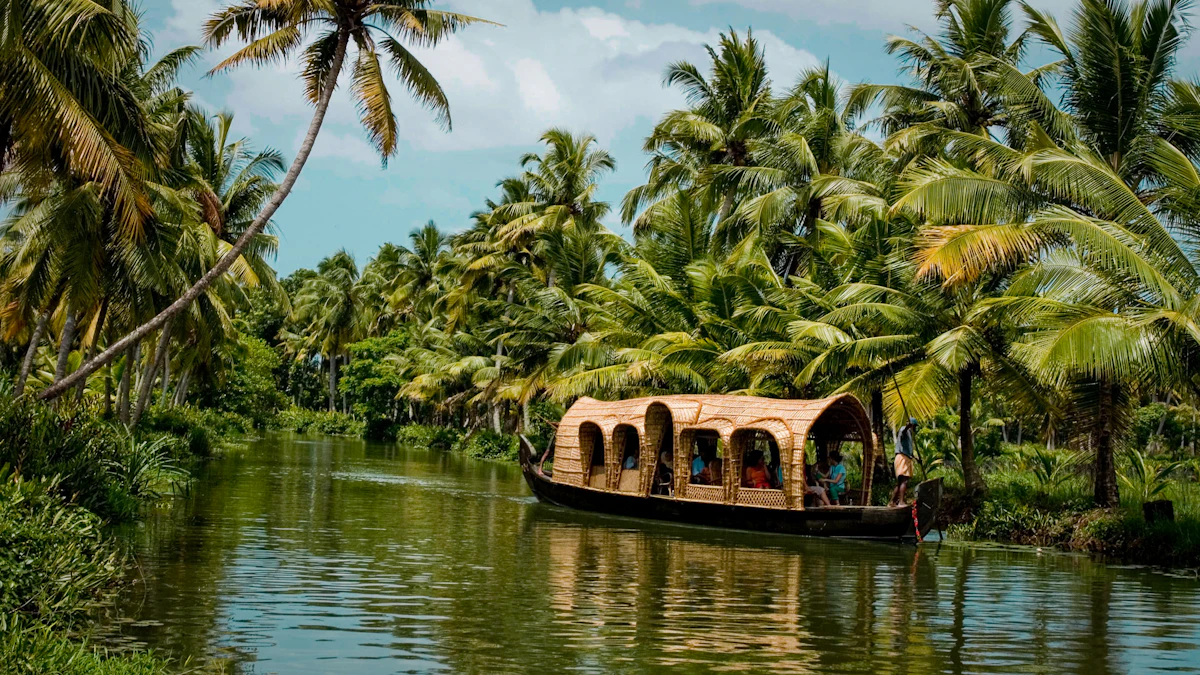
Board your traditional houseboat for an overnight backwater cruise.
Spend the day cruising the backwaters.
Disembark and drive to Varkala for a relaxed beach close.
A full day at Varkala's beautiful clifftop beach.
Final morning before departure.
Transfer to Thiruvananthapuram Airport for your departure flight.
About This Journey
A journey through the cultural heartland of South India — from Bangalore through Karnataka’s extraordinary Hoysala temples and Mysore Palace to the wildlife of Kabini, then south through Kerala’s backwaters to Kochi. A 16-day tailor-made journey combining heritage, wildlife and the remarkable traditions of two of India’s most culturally rich states.
Highlights
Mysore Palace — the most visited building in India after the Taj Mahal. Hassan’s extraordinary 12th-century Hoysala temples. Kabini River and Nagarhole National Park wildlife. Kerala backwaters aboard a traditional houseboat. Fort Kochi’s layered colonial heritage.
Accommodation Used On This Tour
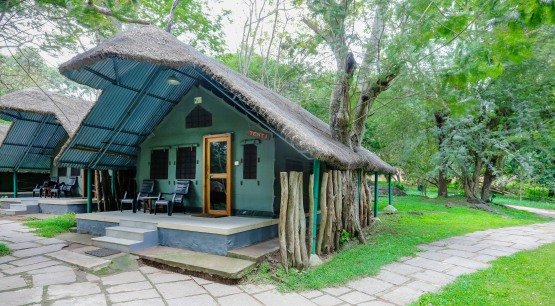
Kabini River Lodge
The original safari lodge of South India, Kabini River Lodge occupies the former hunting lodge of the Maharaja of Mysore on the banks of the Kabini reservoir. Run by Jungle Lodges & Resorts, its colonial bungalows, boat safaris and expert naturalists have made it a legend among Indian wildlife destinations.
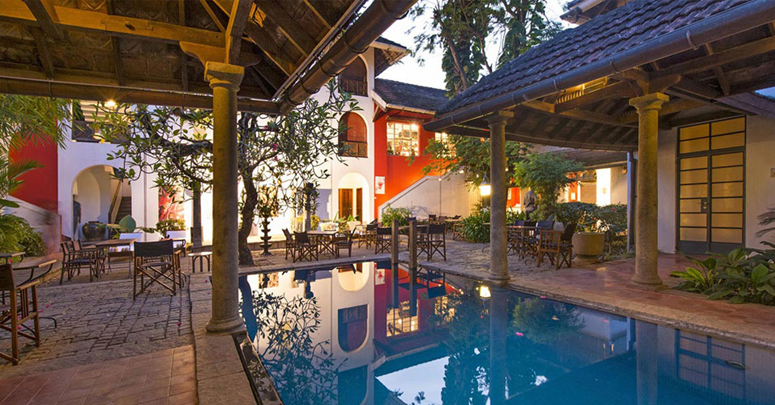
Malabar House
Kochi's first boutique heritage hotel, Malabar House occupies a 1755 colonial residence beside the Parade Ground in Fort Kochi. Its rooms blend period architecture with contemporary South Indian art, its restaurant is one of Kerala's most celebrated, and the location is unmatched for exploring the old town on foot.
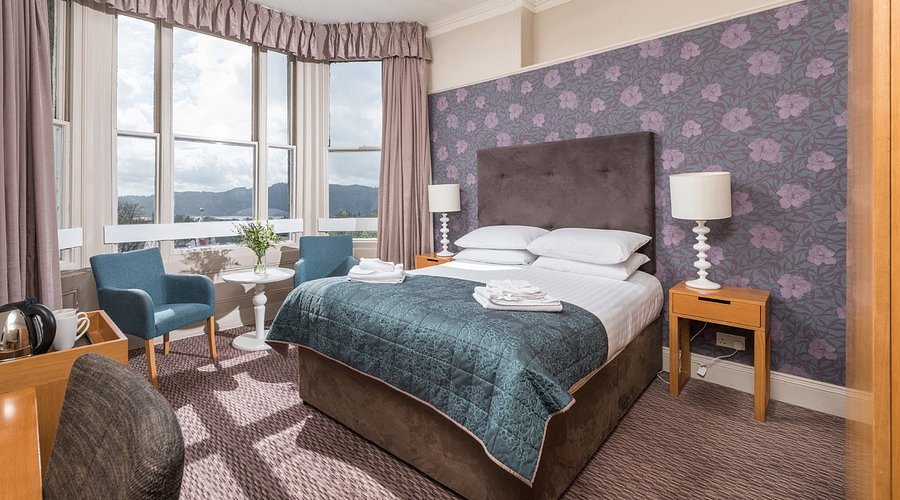
Windermere Hotel
A planter's retreat in the hills of Munnar, Windermere Estate sits amid cardamom and coffee plantations at 1,600 metres. Its cottages overlook the valleys of the Western Ghats and its garden paths lead directly into the surrounding plantations.
Accommodation displayed here should be taken as a guide only. Please refer to the detailed itinerary of your individual departure for more information.
Where You Stay
What's Included
Frequently Asked Questions
October to March offers the most comfortable weather — warm days, low humidity and minimal rainfall. April and May are hot; June to September is the southwest monsoon, which brings lush green landscapes but heavy rain on the Kerala coast.
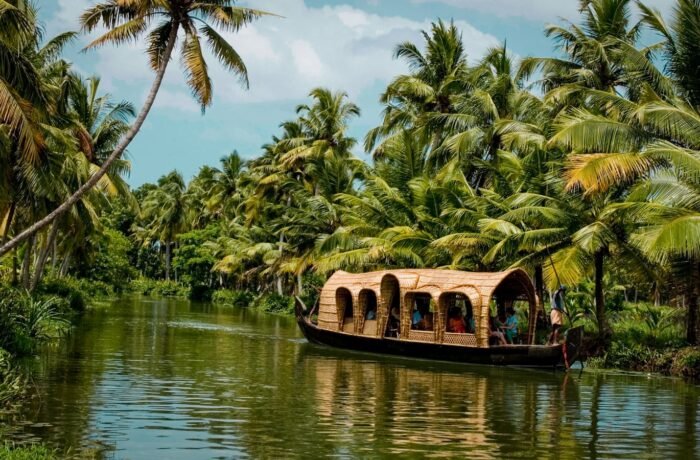
Traditional Kerala houseboats (kettuvallams) are converted rice barges with private bedrooms, en suite bathrooms, a dining area and sun deck. A dedicated crew of two or three — including a cook preparing fresh Keralan meals — accompanies each boat as you cruise the palm-fringed backwater canals.
Kerala cuisine is generally milder than North Indian food, with coconut, curry leaves and seafood at its heart. Hotels and houseboats readily adjust spice levels, and vegetarian options are outstanding throughout the region.
Yes — beach extensions, additional wildlife parks, Ayurvedic retreats and different hotels can all be woven in. Contact us to shape the perfect South India journey.
Other Journeys You May Like