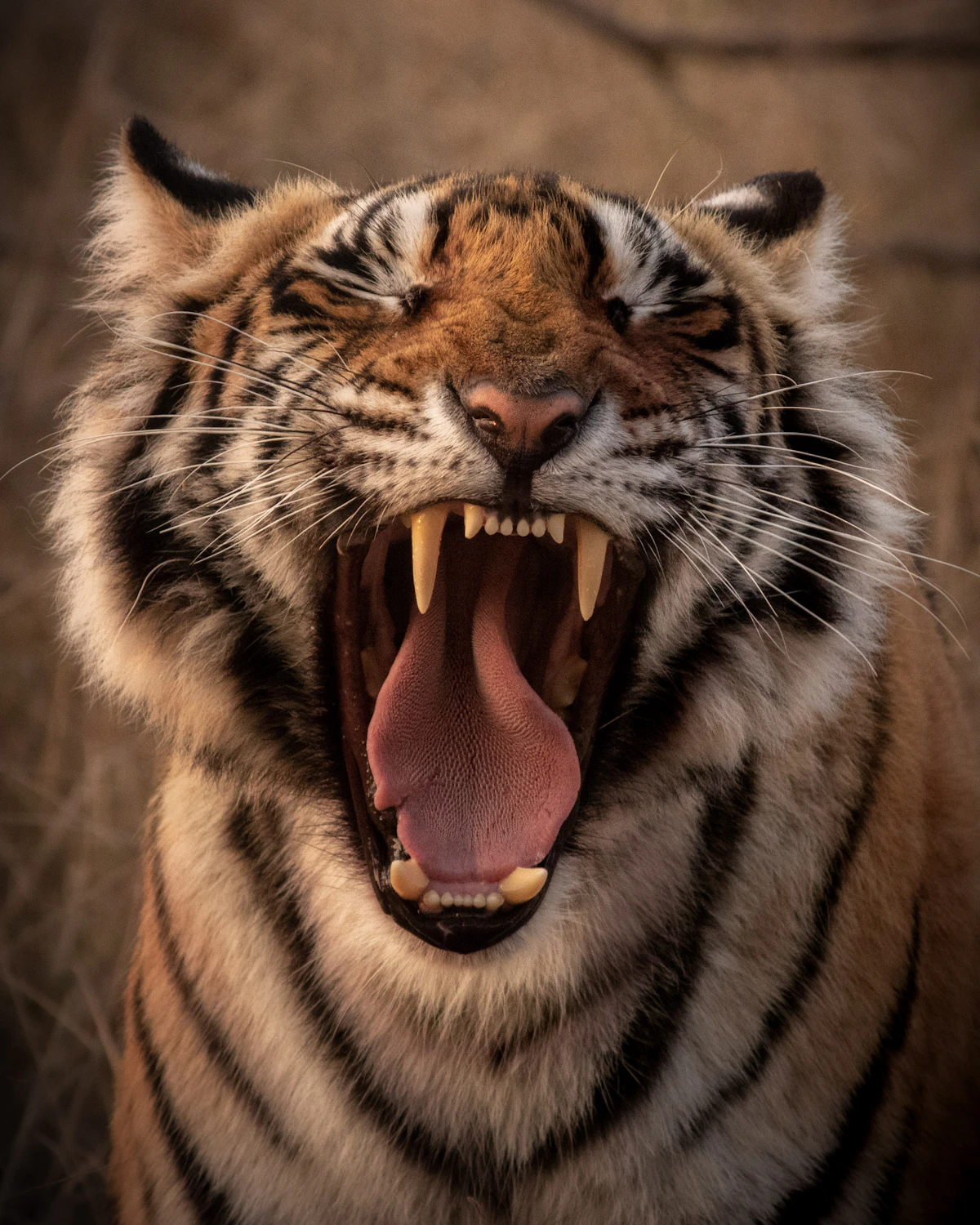
Three of India's finest tiger reserves — Kanha's sal meadows, Pench's dense forest, and Bandhavgarh's fortress ruins rising from tiger territory.
Tour Highlights

← Scroll to explore the destinations on this tour →
Day by Day Itinerary
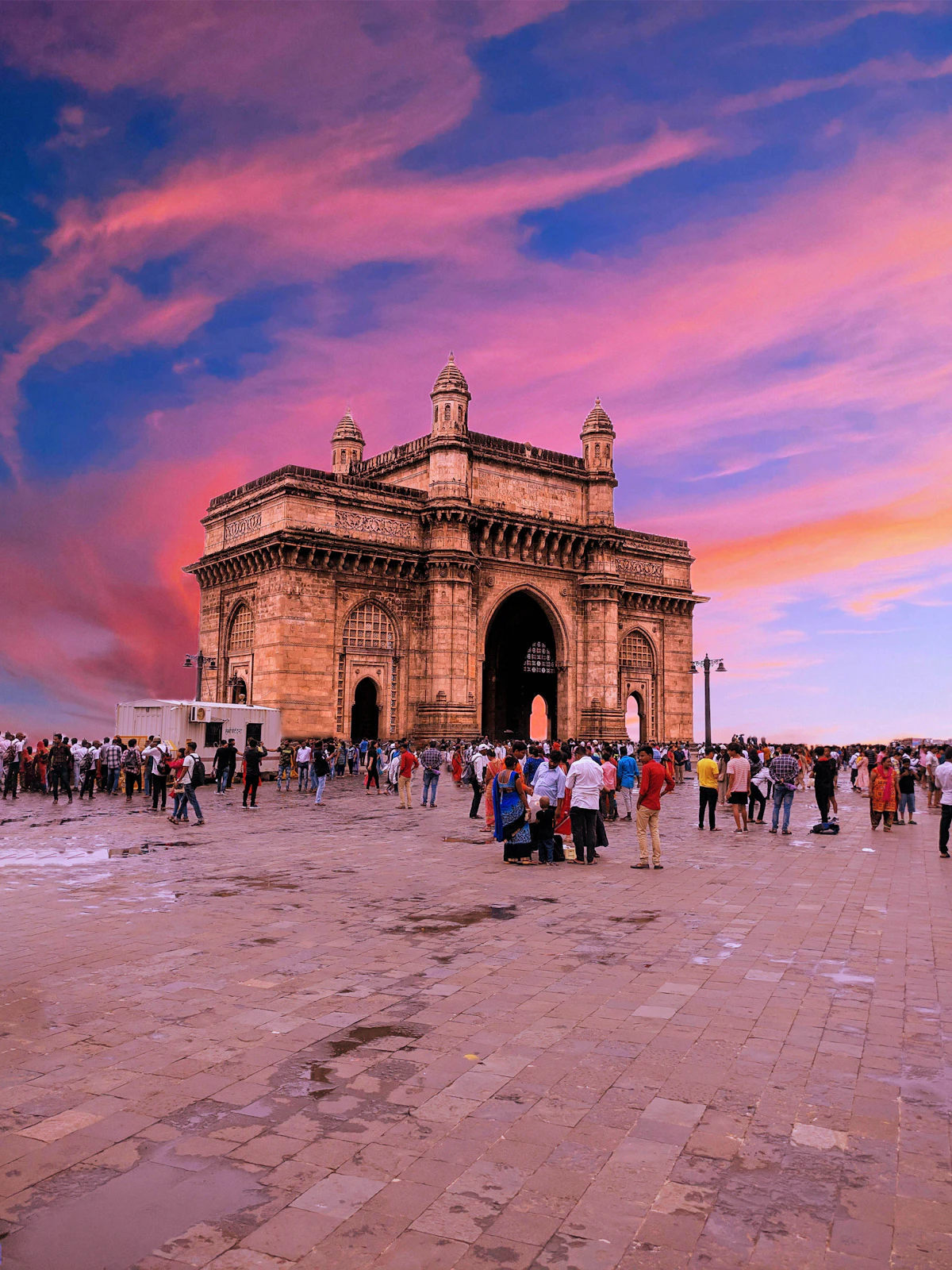
Arrive Mumbai. Gateway of India, High Court, Marine Drive orientation.
Morning at the Chhatrapati Shivaji Maharaj Vastu Sangrahalaya — the former Prince of Wales Museum with its extraordinary collection of Indian decorative arts, miniature paintings and Buddhist sculpture. Afternoon at Crawford Market, Mumbai's remarkable colonial-era covered market, and the vibrant street food lanes of Mohammed Ali Road.
Morning flight to Nagpur then a 2-hour drive through the increasingly forested Maharashtra landscape to Tadoba Andhari Tiger Reserve. Check into Svasara Jungle Resort and meet your assigned naturalist guide for the first evening briefing — covering the current tiger territory maps, the prey species distribution, and what to expect from tomorrow's dawn drive.
Dawn departure for the first jeep safari through Tadoba's 625 square kilometres of mixed deciduous forest, dry teak woodland and bamboo. Maharashtra's oldest national park is home to one of India's strongest tiger populations; your naturalist will read the forest's signs — alarm calls, pugmarks, territorial scratch marks — as the drive unfolds.
A second full day at Tadoba with two drives — dawn and late afternoon — concentrating on the zones where yesterday's activity was most promising. Between drives, the lodge's naturalist hosts an informal talk on Central India's forest ecology and the specific conservation programmes operating in the Tadoba buffer zone.
Transfer from Tadoba to Kanha National Park — the Jungle Book landscape. Arrive afternoon.
Dawn safari into Kanha's core zone — the open meadows called maidans where barasingha herds graze and tigers move between the grassland and the surrounding sal forest. The landscape here inspired Rudyard Kipling's Jungle Book; the sal trees and bamboo groves Kipling described are identifiable from the safari vehicle to this day.
Second day at Kanha with morning and afternoon drives through different zones of this 940-square-kilometre park. The afternoon zone typically concentrates on the bamboo-dense areas where leopards and wild dogs are proportionally more active than in the open meadow zones favoured by tigers.
Final full day at Kanha with two drives, positioned by the naturalist based on the accumulated sighting reports of the previous two days. Farewell dinner at the lodge.
Transfer from Kanha to Bandhavgarh National Park — a 5-hour drive through the Satpura hills. Bandhavgarh has the highest recorded tiger density of any Indian reserve; its combination of ancient fort ruins, dense forest and productive meadows creates the conditions that consistently make it the best park in India for reliable tiger sightings.
Dawn safari into Bandhavgarh's most productive zones, where the 10th-century fort ruins scattered through the park serve as territorial markers for the resident tigers. The specific combination of archaeological site and wildlife habitat is unique to Bandhavgarh among all Indian national parks.
Full safari day at Bandhavgarh — morning and afternoon drives. The park's relatively compact core zone (104 sq km) means that the naturalist's knowledge of individual tiger territories is extremely specific, and the safari is planned around current knowledge of each female's movement and her cubs' ages.
Final drives at Bandhavgarh. The farewell dinner at the lodge is an opportunity to review the safari photographs with the naturalist and discuss what was seen and why.
Transfer to Jabalpur Airport (4 hours) for the connecting flight back to Delhi. Arrive Delhi in the late afternoon with an evening free for shopping or independent exploration.
A rest day in Delhi for independent exploration — the Lodhi Garden, Khan Market, the National Crafts Museum, or the remarkable new National Museum of India. Final dinner in Delhi.
After breakfast the tour concludes. Airport transfers available.
About This Journey
Explore the extraordinary wildlife of Central India across three remarkable national parks — Tadoba, Kanha and Bandhavgarh — each offering a different forest character and a different quality of wildlife encounter. Arriving in Mumbai and departing from Jabalpur or Delhi, this 16-day private wildlife journey covers the full range of Central India’s tiger country.
Highlights
Tadoba Andhari Tiger Reserve — Maharashtra’s premier tiger reserve. Kanha National Park — the Jungle Book landscape of sal meadows and bamboo. Bandhavgarh — the highest tiger density of any Indian reserve. Multiple game drives with expert naturalists at each park.
Accommodation Used On This Tour
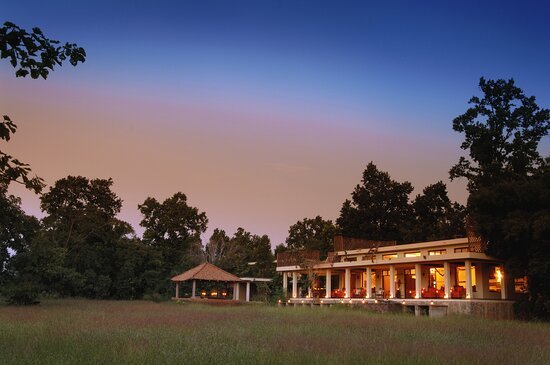
Mahua Kothi Taj Safari
The first of the Taj Safari lodges, Mahua Kothi sits in 40 acres of forest at Bandhavgarh. Its twelve kutiyas (jungle village huts) are built in traditional Central Indian style with mud walls and thatched roofs, and its naturalists are among the finest in India.
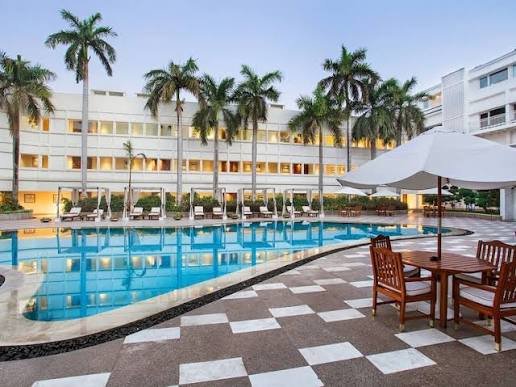
The Claridges
The Claridges has been a veritable treasure in Lutyens Delhi since the 1950s. Refurbished, redesigned and revitalized, the hotel offers guests an experience that is new and yet so familiar. In an excellent location just a short auto ride from Khan Market and Connaught Place, this four star hotel has 132 rooms and suites designed with an elegant blend of 19th century character and contemporary style, a refreshing outdoor pool, indoor gym and relaxing spa.
Accommodation displayed here should be taken as a guide only. Please refer to the detailed itinerary of your individual departure for more information.
Where You Stay
What's Included
Frequently Asked Questions
No reputable operator can guarantee tiger sightings — these are wild animals in natural habitat. However, the parks on this itinerary have among the best sighting records in India, and multiple game drives significantly increase your chances. Even without a tiger, the wildlife and birdlife encountered on every drive make the experience richly rewarding.
October to April is the main season, with March to May offering the highest sighting probability as animals concentrate around water sources — at the cost of higher temperatures. Most parks close entirely from July to September for the monsoon.
Neutral-coloured clothing (khaki, olive, brown), a warm layer for cold dawn drives in winter, sun protection, and binoculars. Camera equipment with zoom lenses is worthwhile; most lodges can arrange charging between drives.
Yes — extra safari days, different lodges, private vehicles and additional destinations can all be arranged. Contact us to tailor the journey to your interests.
Other Journeys You May Like