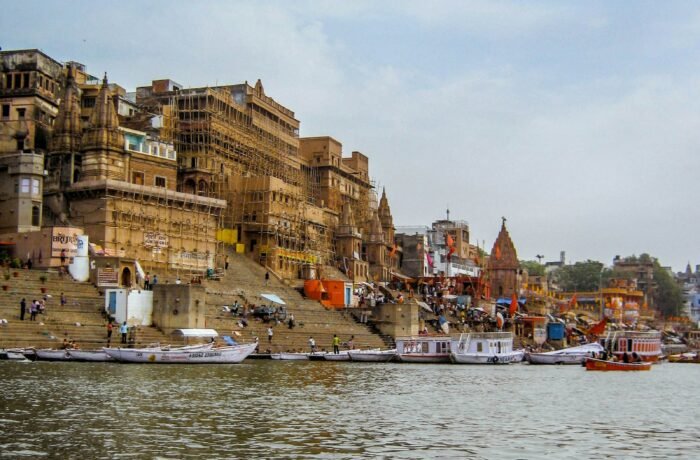
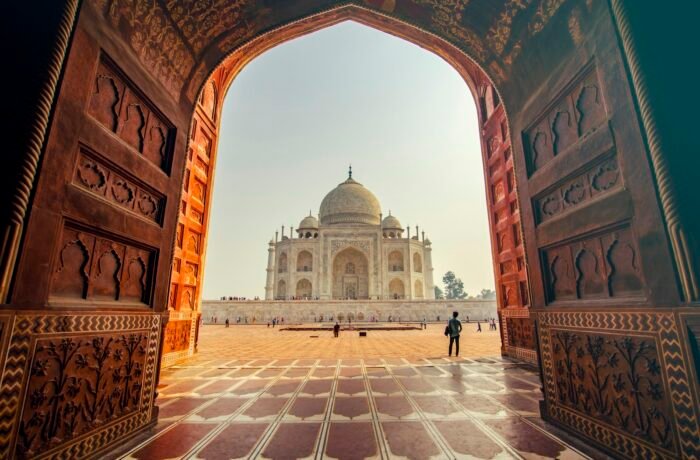
Where history, culture and wildlife seamlessly blend — Ranthambore's tigers, Jawai's leopards on granite outcrops, and Kumbhalgarh's great wall.
Tour Highlights

← Scroll to explore the destinations on this tour →
Day by Day Itinerary
Arriving into Delhi today you will be transferred to your hotel and the remainder of the day is at leisure.
A tour of some of Old Delhi's finest sights this morning will take you to the splendid Mughal Red Fort and the nearby Jama Masjid, this tranquil mosque in the heart of the hectic city can take up to 25,000 worshippers. Take a rickshaw ride along Chandni Chowk, one of the busiest streets, the centre of the warren of bazaars and head to the spice market to enjoy the aromas and colours. This afternoon see a different side of the city with a walk through Lodhi to explore the street art, the lanes here are covered with art from different local artists and you can learn about the cultural make-up of the city, end the day with a stroll through the Lodhi gardens admiring the beautiful plants and architecture.
Board the train and experience travel on India's vast rail network this morning, arriving at Bharatpur, transfer to the bird sanctuary at Keoladeo National Park and head out to see some of the wildlife this afternoon in a cycle or electronic rickshaw. A UNESCO site, the sanctuary is one of the world's most significant areas for birds and an important migratory stop for a number of species including the endangered Siberian crane.
A second visit to the sanctuary in the early morning will allow you to see more of the species that make the park their home including cranes, sandpipers, cormorants, storks and teals. Later drive on to Sariska, the reserve here of rocky hills and arid grasslands and forests is home to large number of species including a tiger population, while the lake has over 211 bird species recorded.
Take an early morning and late afternoon jeep safari with a naturalist into the reserve today, head towards the 35' waterfall and look out for tigers, leopards, langurs, nilgai, deer, antelope and mongoose as you also explore the ruins of a 16th Century castle and see the Siliserh Lake, perhaps with some crocodiles basking on the shores.
Ranthambore is the king of the reserves in Rajasthan with its crumbling hilltop fortress, lakes and flourishing wildlife. Journey to the reserve this morning in time to head out on an afternoon safari, while famous for its tiger population the reserve also has ruined temples and shallow lakes where you can spot wading birds and in the summer a range of reptiles in search of water.
Two game drives today through Ranthambore National Park — dawn and late afternoon. Ranthambore's tigers are among the most reliably spotted in India; the 10th-century fort ruins within the park add a unique historical dimension to wildlife tracking.
Drive to Jaipur, checking in to a heritage hotel in the old city. Afternoon free to explore the bazaars and backstreets of the Pink City.
Explore Jaipur's magnificent heritage — the Amber Fort with its extraordinary Sheesh Mahal, the City Palace and the Jantar Mantar observatory. Afternoon exploring the traditional craft markets.
Drive west to Jawai, an extraordinary landscape of granite boulders and fields where leopards live alongside the local Rabari shepherd community who regard the big cats as sacred. Check in to your safari camp set amongst the boulders.
Full day of leopard tracking on foot and by jeep with experienced local guides and Rabari trackers who know each leopard by name. Jawai's remarkable human-wildlife coexistence makes this one of India's most extraordinary wildlife experiences.
Drive to Udaipur, the romantic City of Lakes, for two final nights in Rajasthan's most beautiful city. Afternoon exploring the old city and the lakeside ghats.
Explore Udaipur's magnificent City Palace, Jagdish Temple and the old city bazaars. Sunset boat ride on Lake Pichola past the legendary floating Lake Palace hotel.
After breakfast the tour concludes. Flights from Udaipur connect to Delhi and Mumbai for onward travel.
About This Journey
A remarkable tailor-made wildlife and heritage journey through Rajasthan — combining Delhi’s cultural sights with India’s rail network, the remarkable Keoladeo Ghana Bird Sanctuary at Bharatpur, the Sariska Tiger Reserve, Ranthambore National Park, Jaipur’s heritage, and the extraordinary leopard country of Jawai. This journey goes deep into Rajasthan’s wildlife landscapes while also providing a rich cultural and architectural experience.
Highlights
Keoladeo Ghana National Park — UNESCO World Heritage Site and one of the world’s most important bird sanctuaries. Sariska Tiger Reserve — tigers, leopards and remarkable birdlife. Ranthambore National Park — one of India’s best reserves for spotting wild tigers. Jawai — extraordinary leopard country where big cats live alongside local villages. Jaipur’s magnificent Amber Fort and Pink City heritage.
Accommodation Used On This Tour

The Claridges
The Claridges has been a veritable treasure in Lutyens Delhi since the 1950s. Refurbished, redesigned and revitalized, the hotel offers guests an experience that is new and yet so familiar. In an excellent location just a short auto ride from Khan Market and Connaught Place, this four star hotel has 132 rooms and suites designed with an elegant blend of 19th century character and contemporary style, a refreshing outdoor pool, indoor gym and relaxing spa.
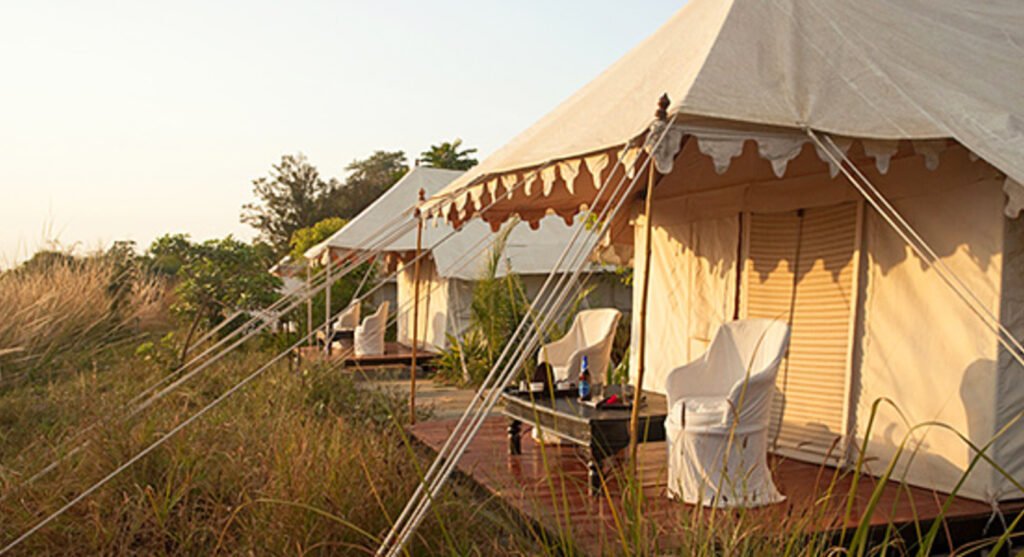
Khem Villas
An intimate jungle camp on the edge of Ranthambore National Park, Khem Villas was created by the family behind the tiger conservation movement in Ranthambore. Accommodation ranges from luxury tents to stone cottages set in 12 acres of regenerated wilderness with its own lakes attracting birds, chinkara and the occasional leopard.
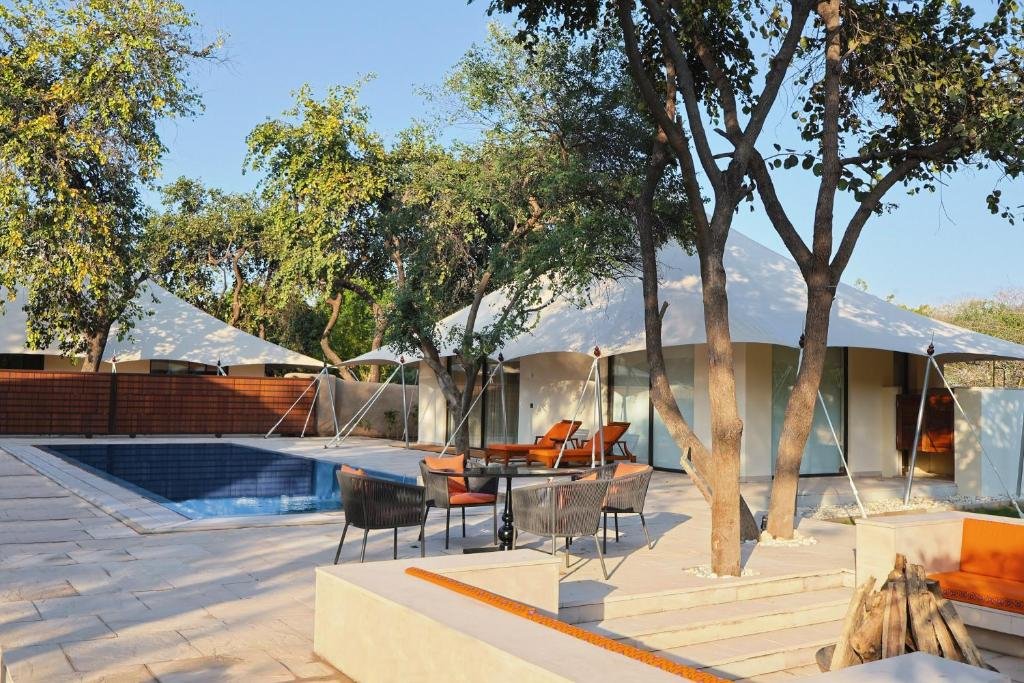
The Oberoi Vanyavilas
The Oberoi Vanyavilas at Ranthambore is India's finest jungle resort — 25 luxury air-conditioned tents with embroidered canopies, private walled gardens and four-poster beds, set in 20 acres of landscaped grounds with an observation tower overlooking the surrounding forest.
Accommodation displayed here should be taken as a guide only. Please refer to the detailed itinerary of your individual departure for more information.
Where You Stay
What's Included
Frequently Asked Questions
No reputable operator can guarantee tiger sightings — these are wild animals in natural habitat. However, the parks on this itinerary have among the best sighting records in India, and multiple game drives significantly increase your chances. Even without a tiger, the wildlife and birdlife encountered on every drive make the experience richly rewarding.
October to April is the main season, with March to May offering the highest sighting probability as animals concentrate around water sources — at the cost of higher temperatures. Most parks close entirely from July to September for the monsoon.
Neutral-coloured clothing (khaki, olive, brown), a warm layer for cold dawn drives in winter, sun protection, and binoculars. Camera equipment with zoom lenses is worthwhile; most lodges can arrange charging between drives.
Yes — extra safari days, different lodges, private vehicles and additional destinations can all be arranged. Contact us to tailor the journey to your interests.
Other Journeys You May Like