The quintessential India — Mughal monuments, the ivory Taj at first light, Amber Fort's Rajput grandeur, and the Pink City's labyrinthine bazaars.
Tour Highlights
← Scroll to explore the destinations on this tour →
Day by Day Itinerary
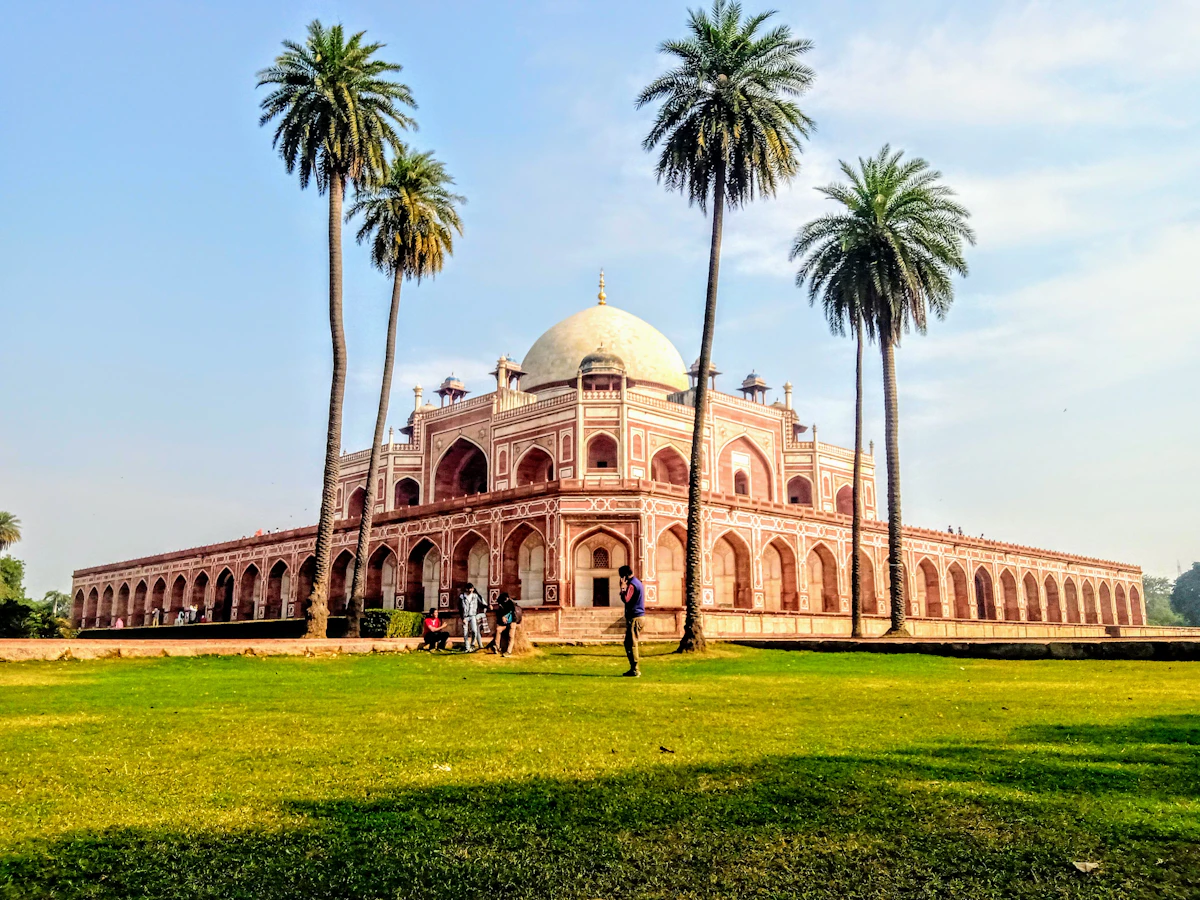
The tour starts with a group welcome meeting at lunchtime. Rooms are available from 2pm, so we will check in if possible, before taking a drive through New Delhi — visiting Rajpath and India Gate as well as Humayun's tomb, one of the best preserved Mughal monuments, commissioned by Humayun's son Akbar and designed by the Persian architect Mirak Mirza Ghiya. This evening we will head to Connaught Place for dinner.
This morning we explore Old Delhi on foot and by rickshaw, visiting the Jama Masjid and wandering through the spice markets of Chandni Chowk. We then drive south to Agra and visit the imposing Agra Fort before watching the sunset warm the Taj Mahal from Mehtab Bagh on the opposite bank of the Yamuna.
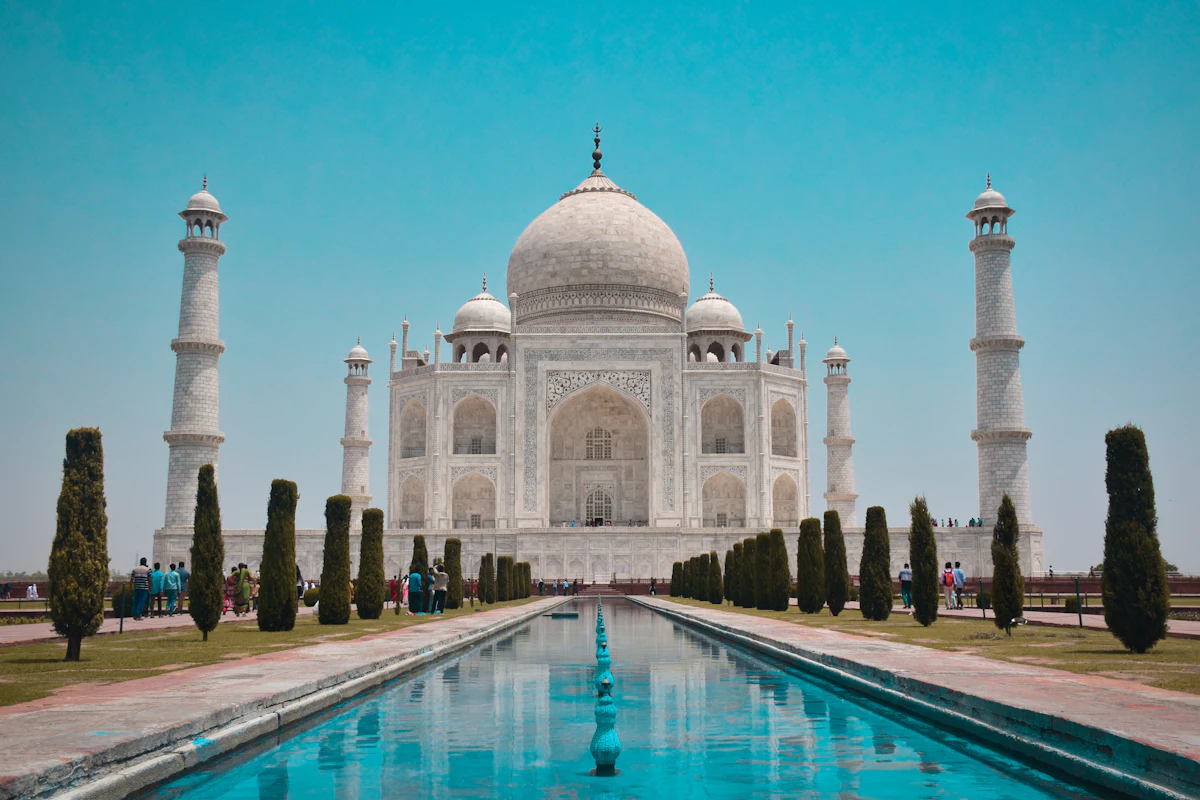
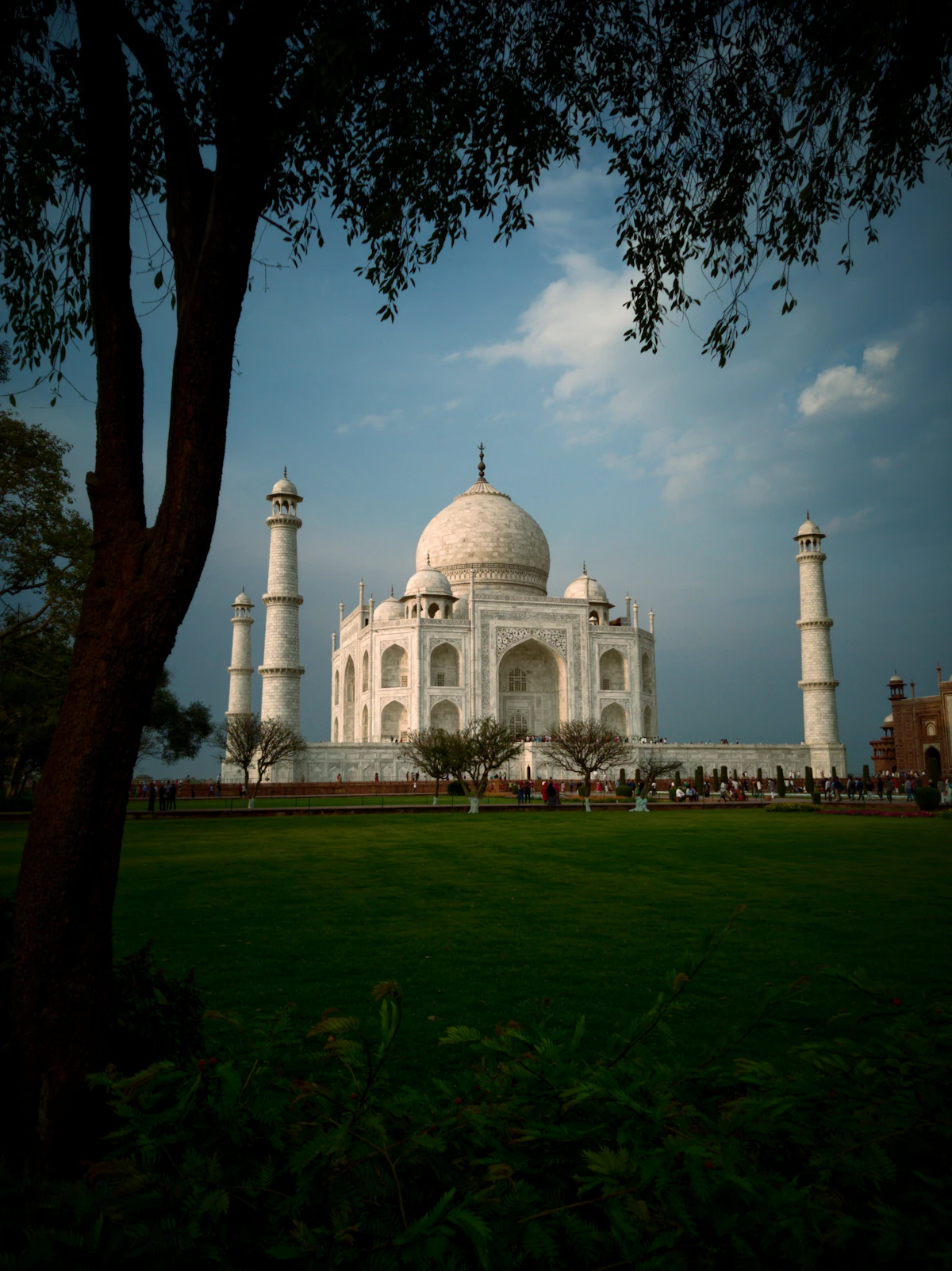
We rise early for a private sunrise visit to the Taj Mahal before the crowds arrive. The white marble mausoleum, built by Shah Jahan for his wife Mumtaz Mahal, glows in extraordinary ways in the early morning light. After breakfast we drive to Jaipur via Fatehpur Sikri, the atmospheric abandoned Mughal capital built by Akbar in 1571.
Stopping at Fatehpur Sikri, a remarkably preserved UNESCO World Heritage city abandoned just 14 years after its construction, possibly due to water shortages. The Buland Darwaza gateway rises 54 metres and remains one of the largest in the world. We continue to Jaipur, the Pink City of Rajasthan.
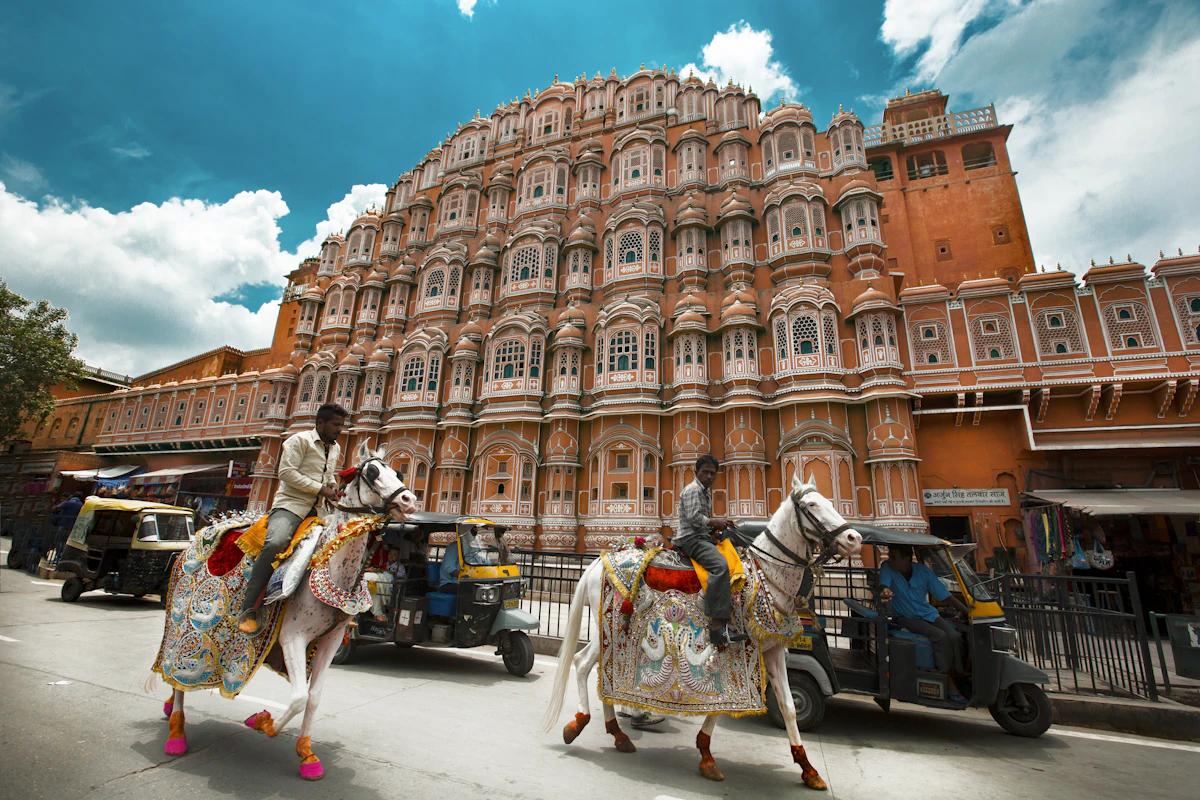
A full day exploring Jaipur's magnificent sights — the City Palace, the Jantar Mantar astronomical observatory, and the iconic Hawa Mahal. In the afternoon we join a local family for a hands-on cooking class, learning to prepare classic Rajasthani dishes.
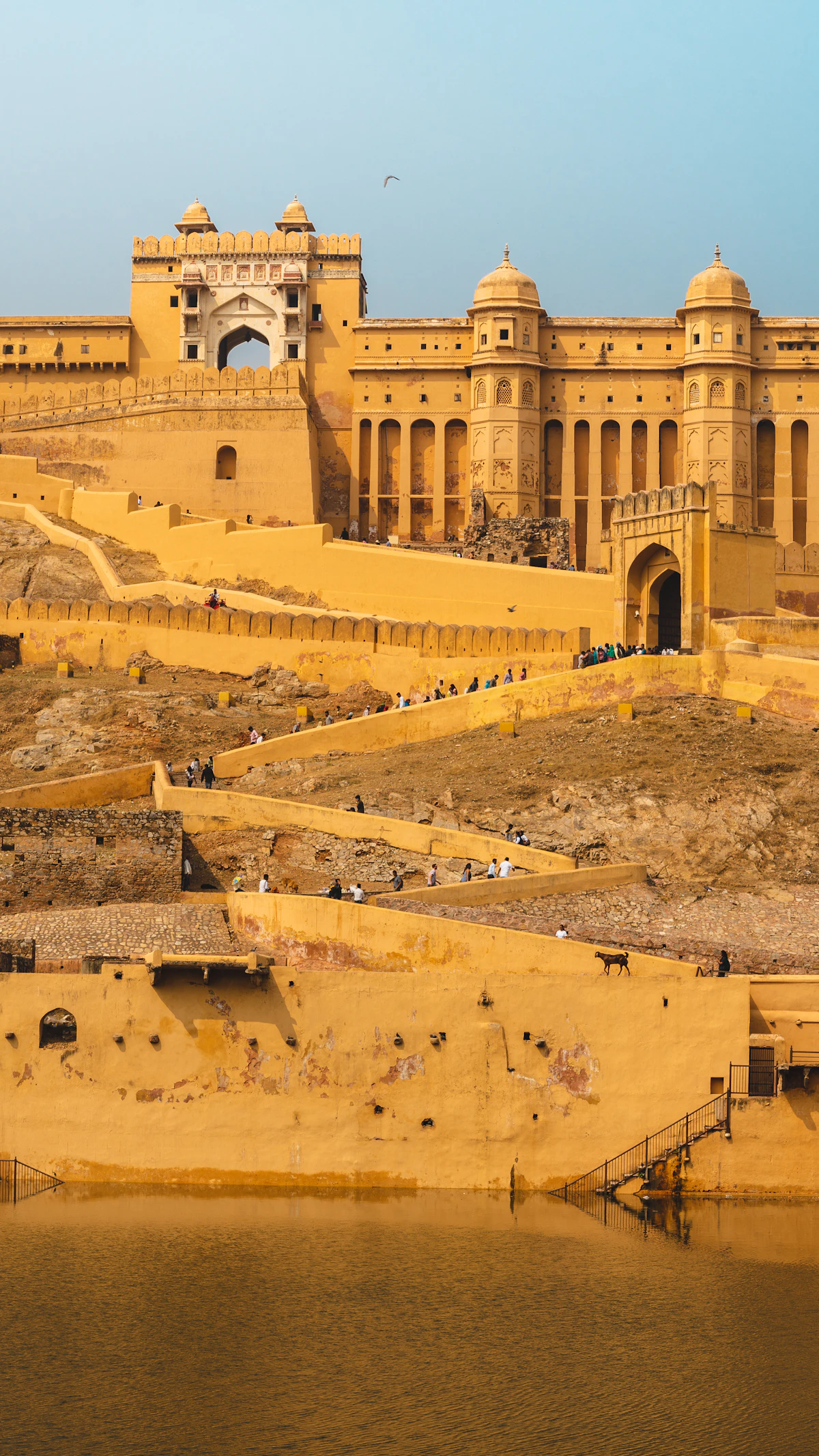
Morning visit to the magnificent Amber Fort, dramatically situated on a rocky hillside above the city. We explore its mirrored halls and courtyards before driving to Khandela, riding through the rural landscape by rickshaw for the final stretch to the heritage castle.
A day of gentle exploration in rural Rajasthan — a camel cart safari through the countryside, a guided village walk meeting local families, and high tea on the castle terrace overlooking the surrounding hills.
We drive back to Delhi through the Rajasthani countryside with stops along the way. A final group dinner brings the tour to a warm close.
After breakfast the tour concludes. Chhatrapati Shivaji Maharaj International Airport connects to all international destinations; terminal 3 handles all international departures.
About This Journey
Rajasthan is arguably the most colourful and culturally rich state in all India, home to the famous Golden Triangle of Delhi, Agra and Jaipur. Offering a comprehensive and varied experience at a comfortable pace, the tour starts with an exploration of both Old and New Delhi before heading south to Agra to visit the magnificent Agra Fort and the iconic Taj Mahal. From here we travel to Jaipur, the Pink City, before heading into rural Rajasthan to stay at Castle Khandela, returning to Delhi for departure.
Highlights
Admire the Taj Mahal at sunrise before the crowds arrive. Explore Old Delhi by rickshaw through the lanes of Chandni Chowk. Discover Jaipur’s royal observatory, City Palace and Amber Fort. Experience authentic rural Rajasthan with a camel cart safari and village walk at Castle Khandela. Enjoy a cooking class with a local family in Jaipur.
Accommodation Used On This Tour
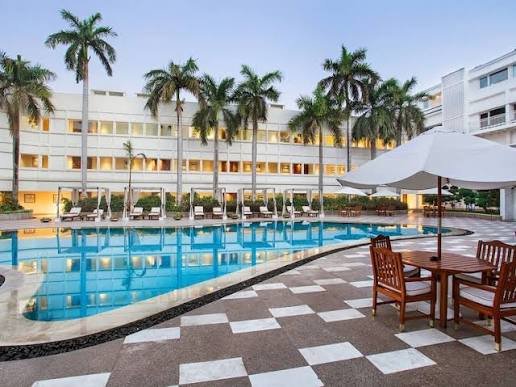
The Claridges
The Claridges has been a veritable treasure in Lutyens Delhi since the 1950s. Refurbished, redesigned and revitalized, the hotel offers guests an experience that is new and yet so familiar. In an excellent location just a short auto ride from Khan Market and Connaught Place, this four star hotel has 132 rooms and suites designed with an elegant blend of 19th century character and contemporary style, a refreshing outdoor pool, indoor gym and relaxing spa.
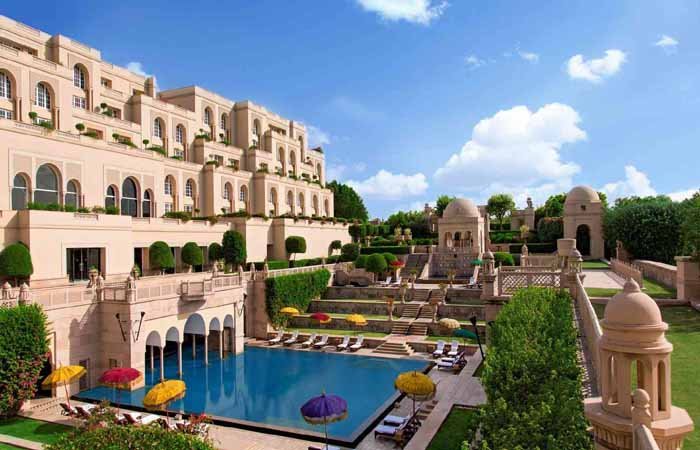
Trident Agra
A reliable contemporary option in Agra, this four-star hotel is built from red stone reminiscent of the Mughal era and is well placed for visits to the Taj Mahal. It has a stylish lobby with a great intimate bar and restaurant, a large outdoor pool in a courtyard surrounded by gardens, and 135 well-appointed rooms with views of the gardens and pool.
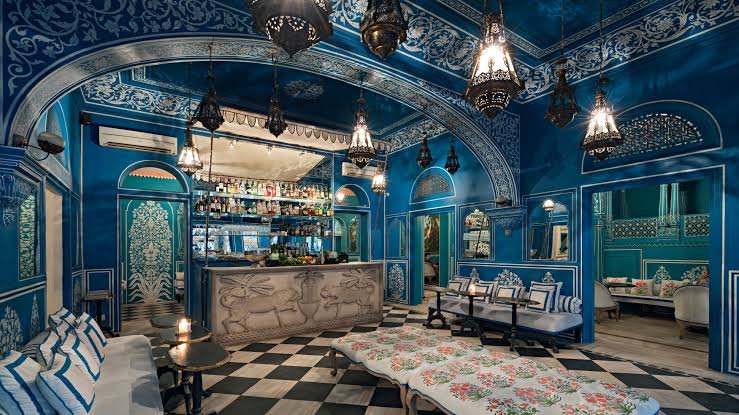
Narain Niwas Palace Hotel
A heritage hotel in the heart of Jaipur, Narain Niwas was built in 1928 as the country residence of General Amar Singh Ji. Set in sprawling gardens with peacocks wandering the lawns, it retains its original furniture, frescoes and portraits, with a beautiful pool and the celebrated Bar Palladio.
Accommodation displayed here should be taken as a guide only. Please refer to the detailed itinerary of your individual departure for more information.
Where You Stay
What's Included
Frequently Asked Questions
October to March is the most comfortable period, with clear skies and pleasant daytime temperatures across North India. December and January mornings can be cold and foggy in Delhi and Agra. April to June is very hot; July to September is the monsoon.
Yes — this route is well-established with excellent hotels and infrastructure, and our experienced guides and drivers handle every practical detail. First-time visitors consistently find it a superb introduction to India.
Private air-conditioned vehicles with experienced, dedicated drivers throughout. For longer distances we use India's excellent express trains or domestic flights where they improve the journey.
Absolutely. Duration, hotels, route and experiences can all be tailored to your preferences and budget — this itinerary is a starting point, not a fixed product. Contact us to plan your ideal trip.
Other Journeys You May Like