From Mysore's magnificent palace, across the spice-scented coffee and cardamom hills of Coorg and Wayanad, to Kerala's tropical coast.
Tour Highlights
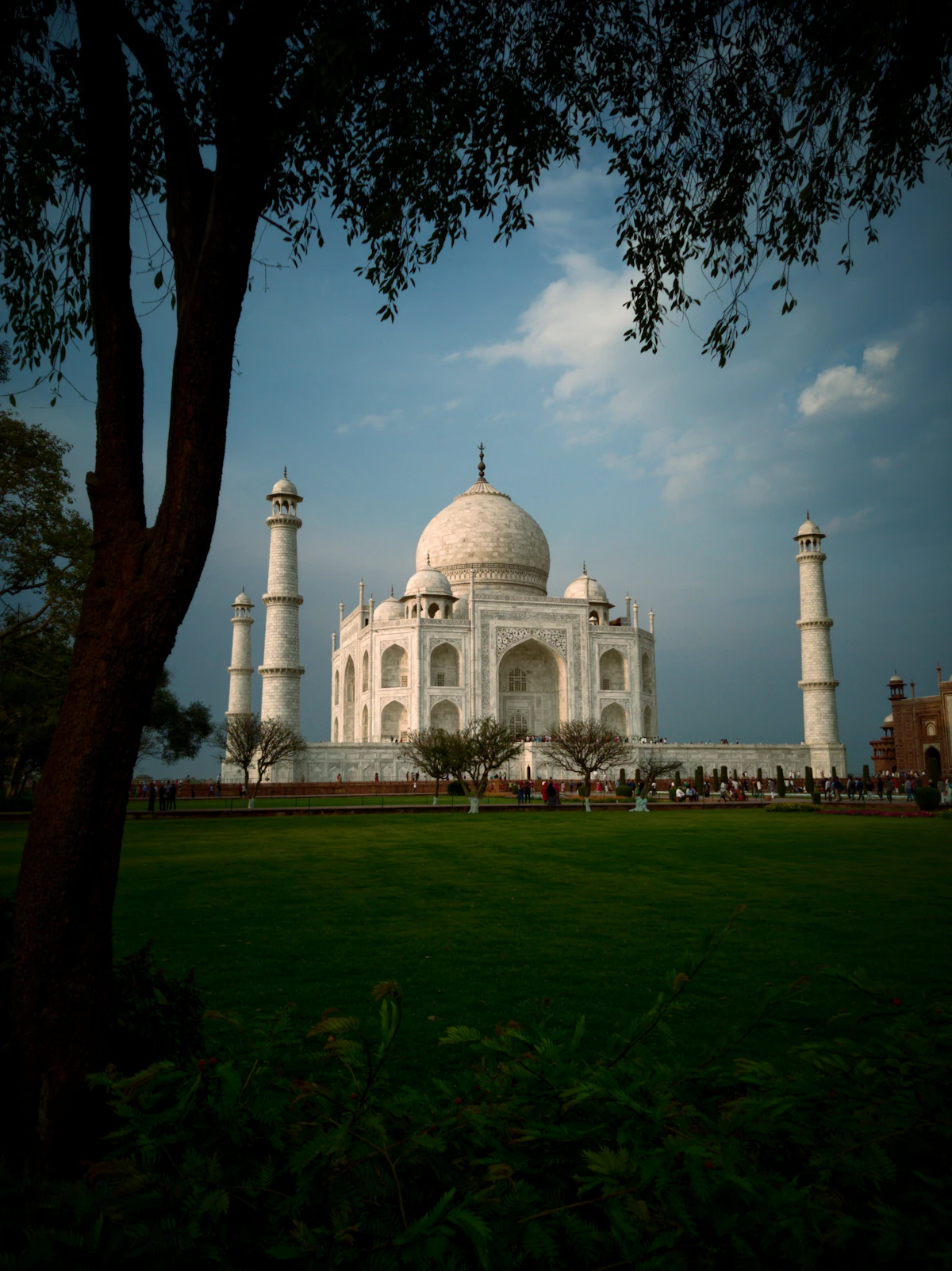

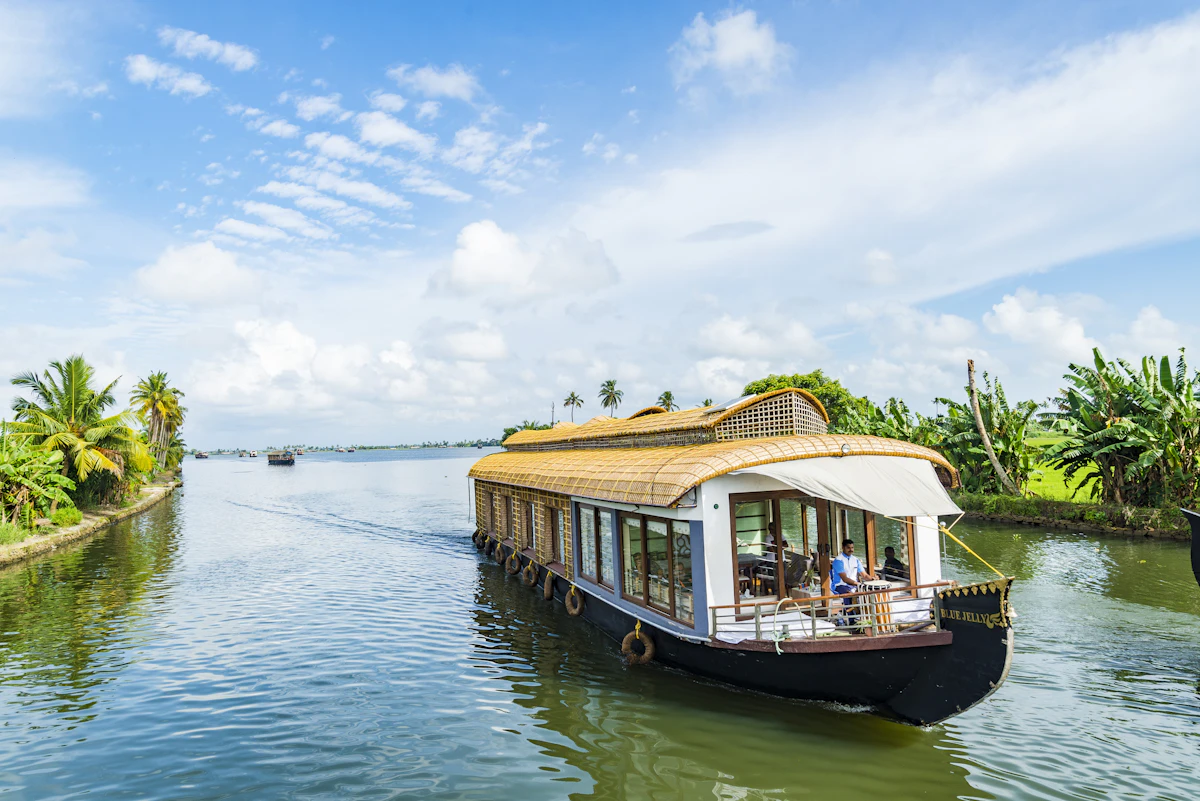


← Scroll to explore the destinations on this tour →
Day by Day Itinerary
Fly into Bangalore and drive to Mysore.
Mysore Palace and Devaraja Market.
Drive into the coffee hills of Coorg.
Coffee estate walk and Dubare Elephant Camp on the Cauvery River.
Drive through the Western Ghats into Kerala.
Wayanad Wildlife Sanctuary boundary drive and plantation visit.
Descend from the Ghats to Kochi.
Fort Kochi walking tour.
Drive south to Varkala for beach days.
Beach day at the clifftop resort.
Transfer to Thiruvananthapuram Airport.
About This Journey
A journey from the palace grandeur of Mysore across the coffee-scented hills of Coorg and Wayanad to Kerala’s tropical coast — tracking the ecological gradient from the Deccan Plateau to the Arabian Sea through some of the most biodiverse terrain in the world. The Western Ghats, a UNESCO World Heritage Site, are one of the eight biological hotspots of the world, and this journey traverses their full length from Karnataka to Kerala.
From Palace to Beach
Mysore Palace — the most visited building in India after the Taj Mahal. Coorg coffee estates and the Dubare Elephant Camp on the Cauvery River. Wayanad’s wildlife and spice plantations. Fort Kochi’s colonial waterfront. Varkala’s dramatic clifftop beach on the Arabian Sea.
Accommodation Used On This Tour
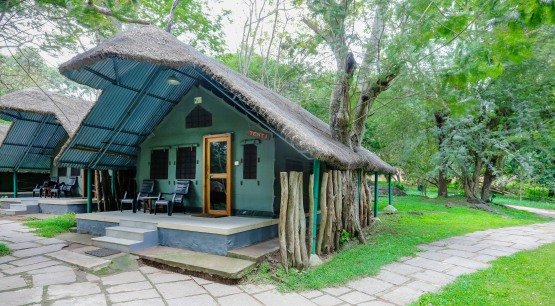
Kabini River Lodge
The original safari lodge of South India, Kabini River Lodge occupies the former hunting lodge of the Maharaja of Mysore on the banks of the Kabini reservoir. Run by Jungle Lodges & Resorts, its colonial bungalows, boat safaris and expert naturalists have made it a legend among Indian wildlife destinations.
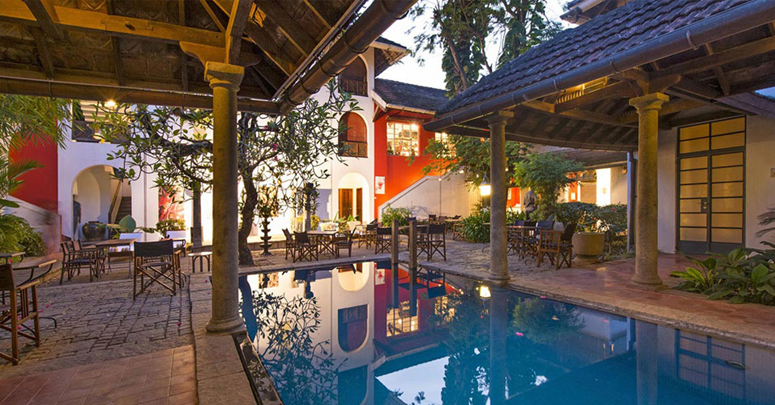
Malabar House
Kochi's first boutique heritage hotel, Malabar House occupies a 1755 colonial residence beside the Parade Ground in Fort Kochi. Its rooms blend period architecture with contemporary South Indian art, its restaurant is one of Kerala's most celebrated, and the location is unmatched for exploring the old town on foot.
Accommodation displayed here should be taken as a guide only. Please refer to the detailed itinerary of your individual departure for more information.
Where You Stay
What's Included
Frequently Asked Questions
October to March offers the most comfortable weather — warm days, low humidity and minimal rainfall. April and May are hot; June to September is the southwest monsoon, which brings lush green landscapes but heavy rain on the Kerala coast.
Traditional Kerala houseboats (kettuvallams) are converted rice barges with private bedrooms, en suite bathrooms, a dining area and sun deck. A dedicated crew of two or three — including a cook preparing fresh Keralan meals — accompanies each boat as you cruise the palm-fringed backwater canals.
Kerala cuisine is generally milder than North Indian food, with coconut, curry leaves and seafood at its heart. Hotels and houseboats readily adjust spice levels, and vegetarian options are outstanding throughout the region.
Yes — beach extensions, additional wildlife parks, Ayurvedic retreats and different hotels can all be woven in. Contact us to shape the perfect South India journey.
Other Journeys You May Like