Extend into Jodhpur's blue alleys, Udaipur's lake palaces, and the rural forts of the Aravalli Hills. Rajasthan at its most romantic and complete.
Tour Highlights



← Scroll to explore the destinations on this tour →
Day by Day Itinerary
Arrive Delhi and transfer to your hotel. An afternoon orientation drive through New Delhi — passing India Gate, Rajpath and Humayun's Tomb, one of the finest surviving Mughal monuments — gives a useful geographical and historical orientation before the dedicated heritage days begin. Evening briefing with your guide over dinner.
Morning exploration of Old Delhi by rickshaw through the lanes of Chandni Chowk — the silk merchants, the spice market, the 400-year-old wholesale cloth bazaars. Visit the Red Fort's Diwan-i-Am and Diwan-i-Khas before the afternoon Qutub Minar visit, where 1,600-year-old iron pillar stands rust-free in defiance of metallurgical expectation.
Drive to Agra (3.5 hours) and check in. Afternoon visit to the immense Agra Fort before the evening drive to Mehtab Bagh on the Yamuna's opposite bank — the garden designed specifically as a viewing point for the Taj Mahal across the river at sunset, the white marble gradually warming to gold and then orange as the light changes.
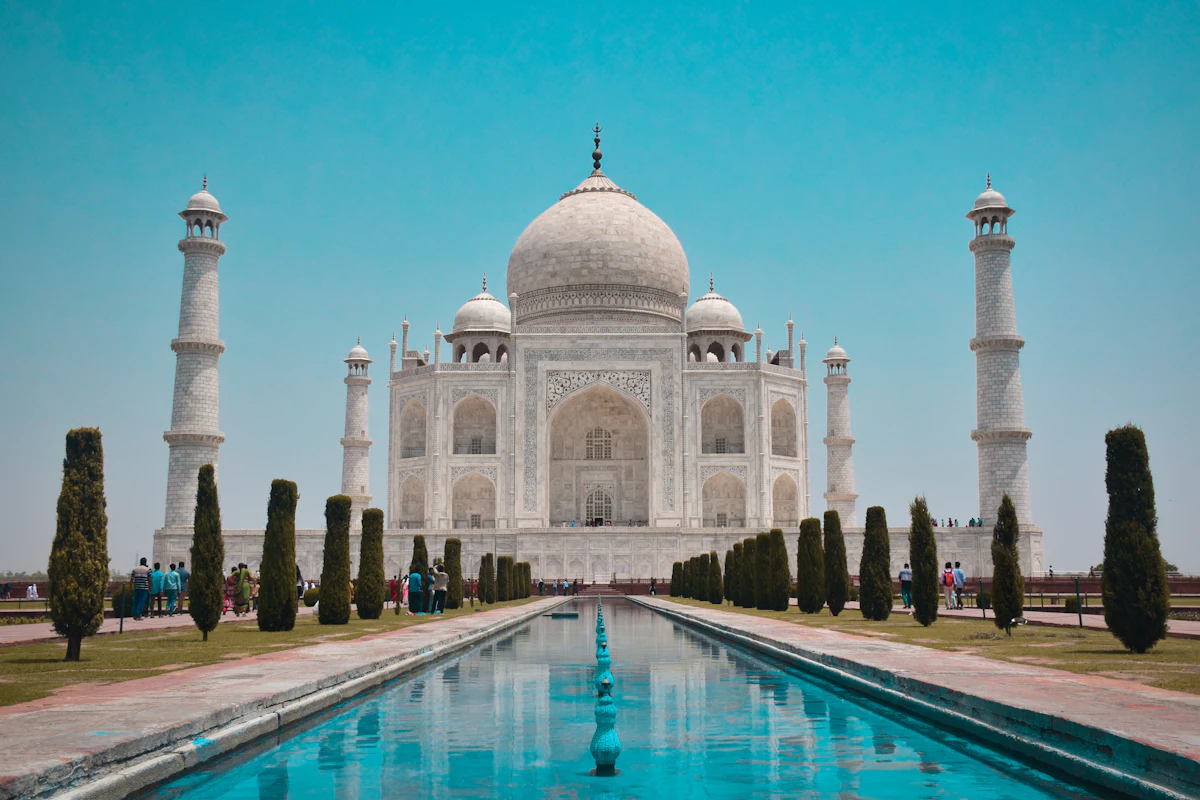
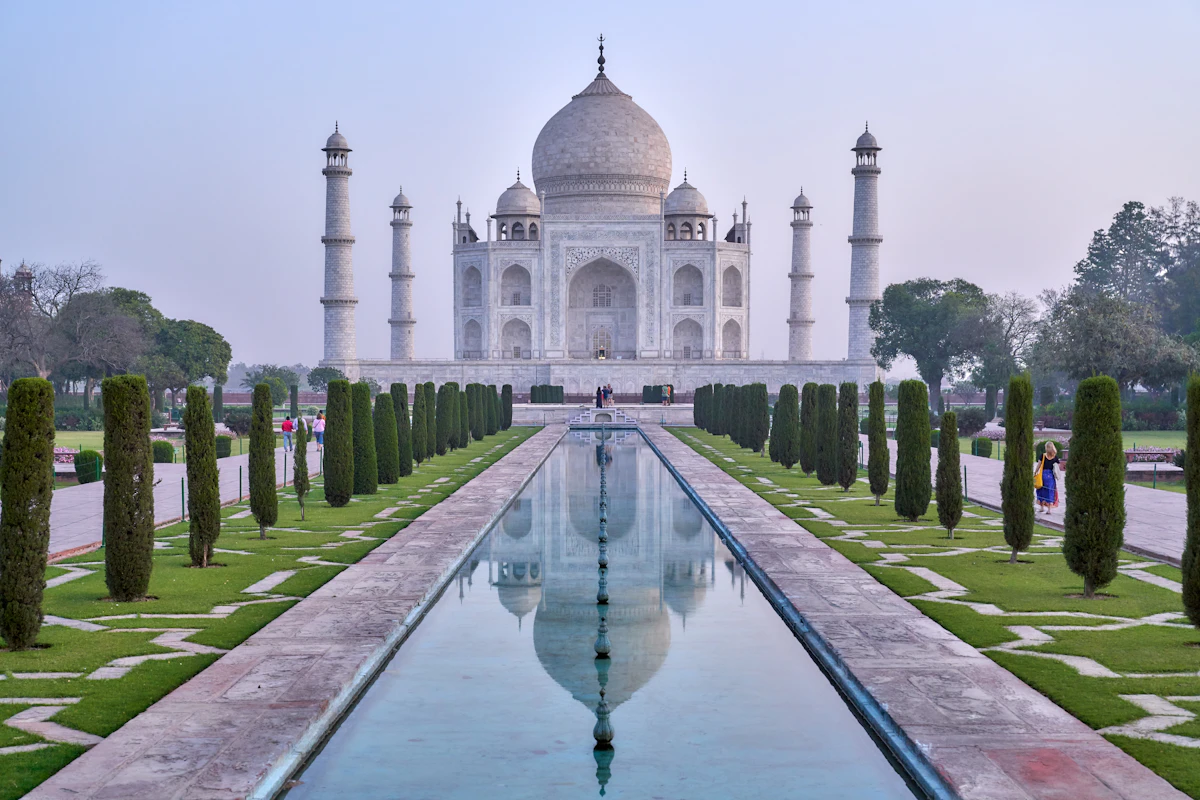
The Taj Mahal at first light, when the east-facing marble glows before the sun is fully risen and the tourist traffic has not yet built. After breakfast, the 45-kilometre drive to Fatehpur Sikri — Akbar's extraordinary sandstone Mughal city abandoned in 1585, its palaces and mosques preserved precisely because they were deserted rather than continuously rebuilt. Continue to Jaipur.
Morning at Amber Fort. Afternoon City Palace, Jantar Mantar observatory, Hawa Mahal.
Morning bazaar walk through the jewellery, textile and spice markets. Afternoon cooking class with a local family.
Drive to Pushkar, the sacred lake city. Explore the ghats, the Brahma Temple, and the camel breeding fair grounds.
Full day in Pushkar — the ghats at sunrise, the temple bazaars, and the famous Camel Fair grounds (fair in November).
Drive to Jodhpur. Afternoon walk through the blue-painted lanes of the old city.
Morning at Mehrangarh Fort — one of India's finest. Afternoon exploring the old city markets.
Drive through the Thar Desert to Jaisalmer. Afternoon inside the living fort city.
Morning at the Patwon Ki Haveli and Jain temples. Afternoon camel ride to sand dunes for sunset.
Drive to Udaipur through the Aravallis. Arrive at the City of Lakes.
City Palace museum and afternoon sunset boat ride on Lake Pichola past the legendary floating Lake Palace hotel.
Final morning exploring Udaipur's craft workshops and old city lanes.
After breakfast transfer to Udaipur Airport. Flights to Delhi and Mumbai connect onward.
About This Journey
The classic Rajasthan circuit — Delhi, Agra, Jaipur, Pushkar, Jodhpur, Jaisalmer and Udaipur — as a comprehensive private tailor-made journey. This 16-day itinerary covers all the headline Golden Triangle monuments plus the desert city of Jaisalmer, the blue city of Jodhpur, the sacred lake at Pushkar, and the lake palaces of Udaipur, making it the most complete standard Rajasthan circuit available.
Highlights
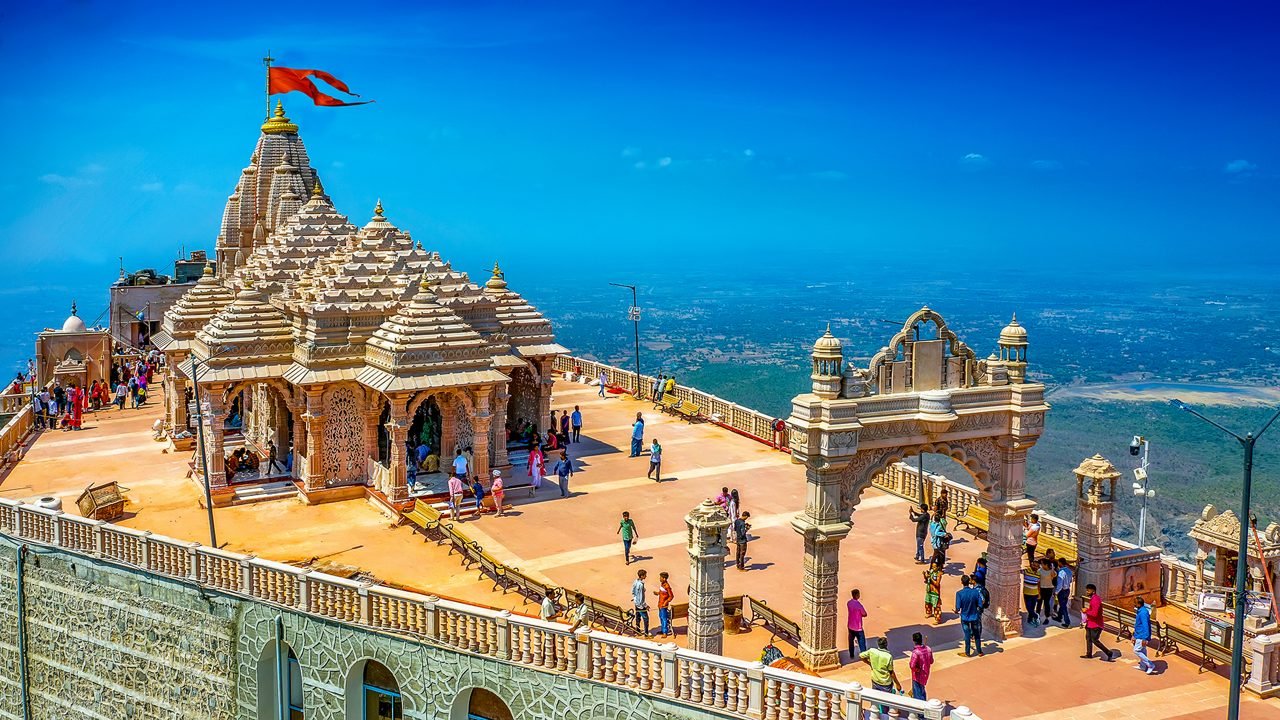
Taj Mahal at sunrise. Amber Fort and Jaipur’s Pink City. Sacred lake at Pushkar. Jodhpur’s Mehrangarh Fort and blue backstreets. Jaisalmer’s golden sandstone desert fort. Sunset on Lake Pichola in Udaipur.
Accommodation Used On This Tour
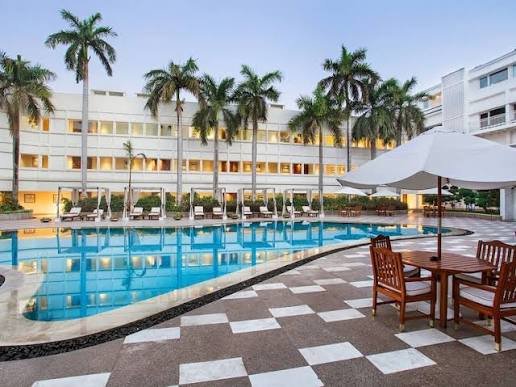
The Claridges
The Claridges has been a veritable treasure in Lutyens Delhi since the 1950s. Refurbished, redesigned and revitalized, the hotel offers guests an experience that is new and yet so familiar. In an excellent location just a short auto ride from Khan Market and Connaught Place, this four star hotel has 132 rooms and suites designed with an elegant blend of 19th century character and contemporary style, a refreshing outdoor pool, indoor gym and relaxing spa.
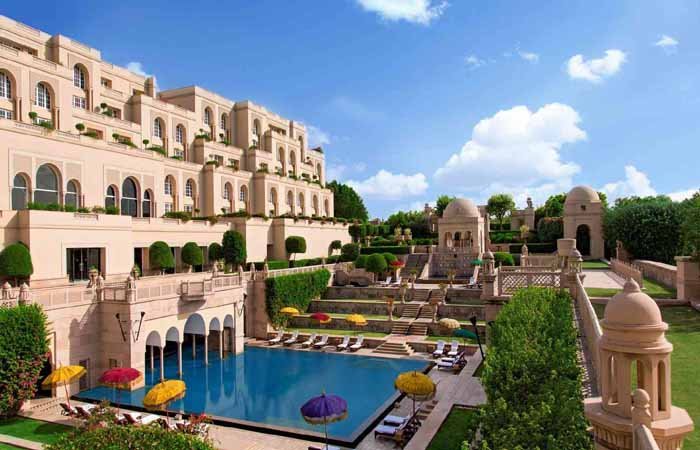
Trident Agra
A reliable contemporary option in Agra, this four-star hotel is built from red stone reminiscent of the Mughal era and is well placed for visits to the Taj Mahal. It has a stylish lobby with a great intimate bar and restaurant, a large outdoor pool in a courtyard surrounded by gardens, and 135 well-appointed rooms with views of the gardens and pool.
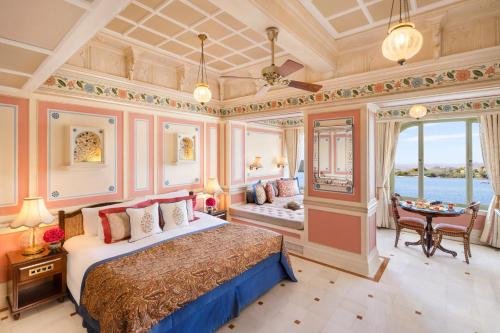
Taj Lake Palace
Floating at the centre of Lake Pichola, the Taj Lake Palace is one of the most romantic hotels in the world. Built in 1746 as the pleasure palace of Maharana Jagat Singh II, its white marble architecture, lily courtyards and lake-facing suites are reached only by the hotel's private boat.
Accommodation displayed here should be taken as a guide only. Please refer to the detailed itinerary of your individual departure for more information.
Where You Stay
What's Included
Frequently Asked Questions
October to March is the most comfortable period, with clear skies and pleasant daytime temperatures across North India. December and January mornings can be cold and foggy in Delhi and Agra. April to June is very hot; July to September is the monsoon.
Yes — this route is well-established with excellent hotels and infrastructure, and our experienced guides and drivers handle every practical detail. First-time visitors consistently find it a superb introduction to India.
Private air-conditioned vehicles with experienced, dedicated drivers throughout. For longer distances we use India's excellent express trains or domestic flights where they improve the journey.
Absolutely. Duration, hotels, route and experiences can all be tailored to your preferences and budget — this itinerary is a starting point, not a fixed product. Contact us to plan your ideal trip.
Other Journeys You May Like