Across two countries and four national parks — Jim Corbett's forests, Bardia and Chitwan's rhinos and tigers, and Nepal's Himalayan backdrop.
Tour Highlights
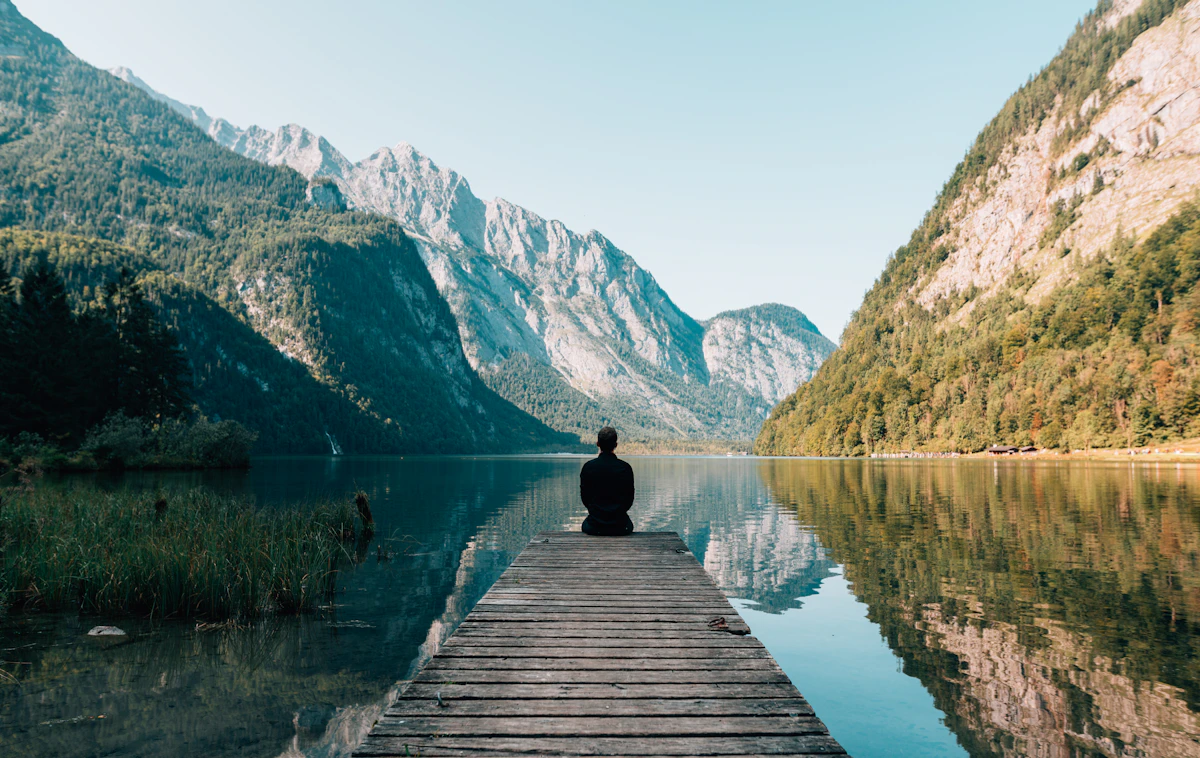
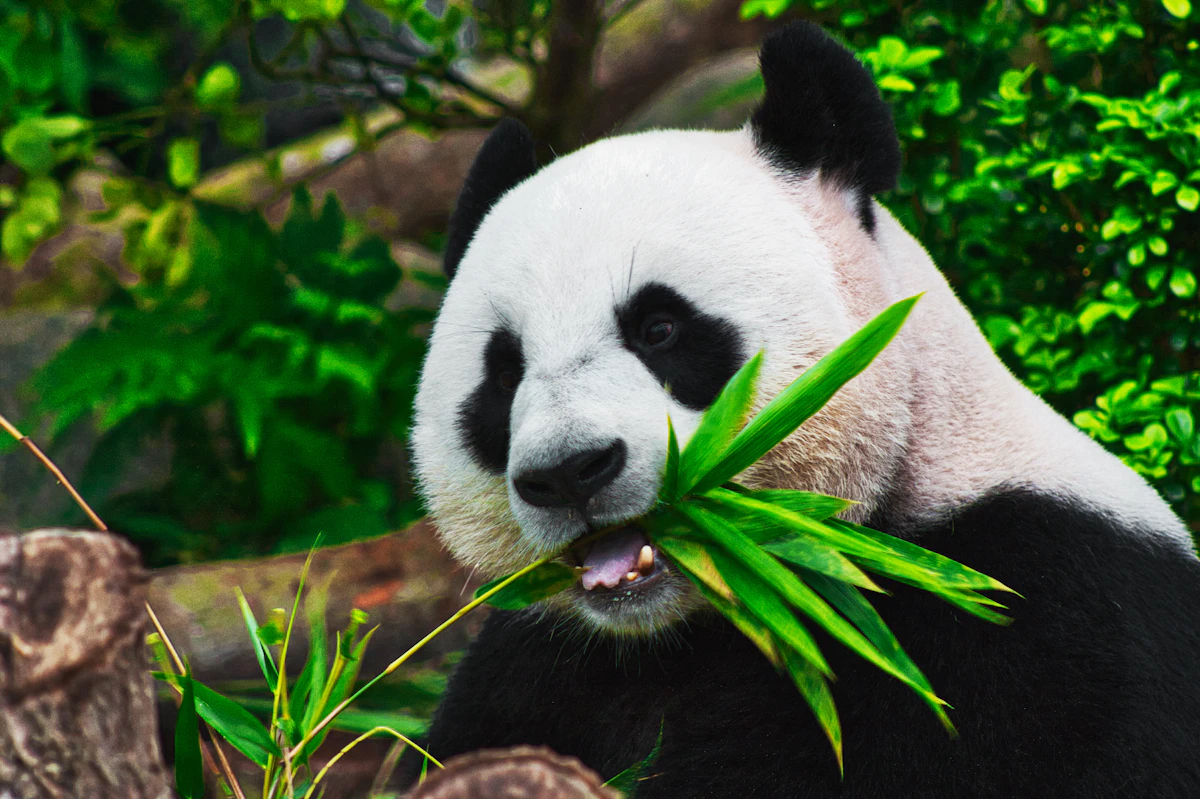

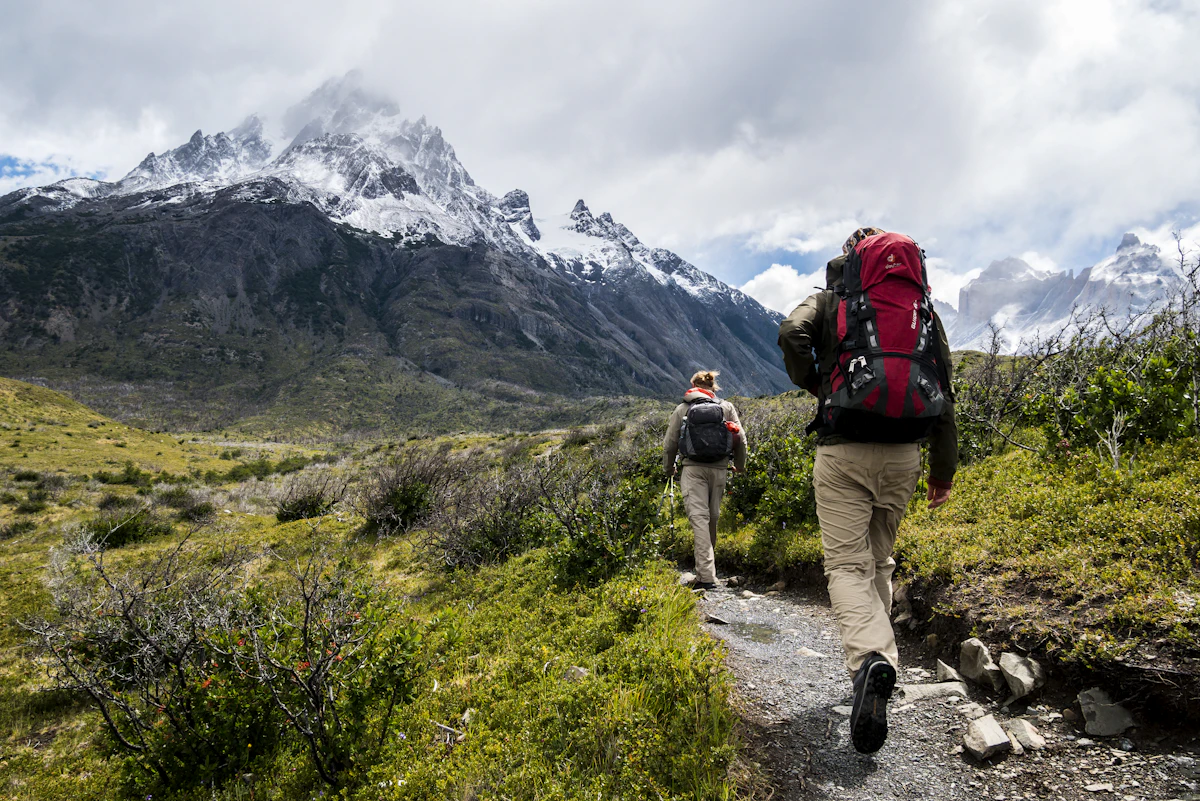

← Scroll to explore the destinations on this tour →
Day by Day Itinerary
Arrive in Delhi and transfer to your hotel in the village area of Hauz Khas, this afternoon you may like to head out for a walk in the nearby deer park where you will find an old fort.
Leave Delhi this morning on your drive to Corbett National Park, arriving in the afternoon the remainder of the day is at leisure, perhaps to use the pool or there is also a library where you can read up on the wildlife you will hope to spot in the park.
The first national park in India, Corbett covers over 500 square km and includes forests, grasslands and a large lake. Heading out on morning and afternoon safaris will give you an excellent chance of spotting some of the wildlife the park is known for. Home to populations of elephant, tigers, leopards and cats, as well as bears, pangolin and crocodiles your naturalist will help you comb the forests looking for animals.
The park is also home to nearly 600 species of birds that live year round or migrate through the park, today your safaris will concentrate on birdlife and hopefully you will spot some of the eagles, parakeet, jungle fowl and flycatchers. Between safaris you can rest at the lodge or perhaps enjoy a treatment in the spa.
Your journey today takes you to the town of Kaladhungi where Jim Corbett lived, his house is now a dedicated museum which you can visit. Despite having killed many tigers responsible for the deaths of people, Jim Corbett was an advocate for protecting wildlife in India and Africa. In the town you may also visit the oldest iron foundry in India as the town is known for its black stones rich in iron content. Continue on to the remote village of Chuka in the Kali Kumaon where you will take a walk this afternoon.
Head higher into the hills today as you hike to a remote campsite near Thak, exploring the remote village and spectacular Himalayan countryside.
Cross the border into Nepal and travel to Bardia National Park — one of Nepal's largest protected areas with significant populations of tigers, rhinos and elephants in pristine riverine forest.
Full day game drives through Bardia's extraordinary wildlife landscape — Bengal tigers, Indian rhinoceros, elephants, gharials and remarkable birdlife in one of Nepal's finest wildlife reserves.
Drive through the Nepali Terai to Chitwan National Park, one of Asia's premier wildlife destinations and the first national park in Nepal.
Explore Chitwan by jeep, elephant-back and on foot — the park is particularly famous for its one-horned rhinoceros population and Bengal tigers. Chitwan has one of the best records for rhino conservation in Asia.
A full second day at Chitwan with multiple game drives and activities, including a canoe safari on the Rapti River searching for gharials and the remarkable Mugger crocodile.
Drive or fly to Kathmandu, Nepal's extraordinary capital city at the heart of the Himalayan world. Check in to your hotel — Dwarika's, a UNESCO Award of Excellence winning property built from reclaimed 15th-17th century Newari architectural elements.
A day exploring Kathmandu's extraordinary heritage — the Pashupatinath Temple on the sacred Bagmati River, the Boudhanath Stupa (one of the largest stupas in the world), Swayambhunath (the Monkey Temple), and the remarkable Kathmandu Durbar Square.
Explore Patan — the City of Artisans — with its extraordinary Durbar Square and the remarkable Patan Museum, one of Asia's finest museums of traditional Newar art. Afternoon free for shopping.
Morning free to explore Kathmandu's remarkable Thamel district or revisit favourite sights before your departure flight.
After breakfast the tour concludes. Tribhuvan International Airport connects to all major Asian hubs and has onward connections worldwide.
About This Journey
This extraordinary wildlife journey combines the best of India and Nepal — visiting Jim Corbett National Park (India’s first national park), crossing into Nepal for the remarkable wild rhinos and elephants of Chitwan National Park, and finishing with a day of cultural exploration in Kathmandu. A journey through the extraordinary wildlife corridor of the Himalayan Terai, where Bengal tigers, one-horned rhinos, elephants and hundreds of bird species create one of the world’s most remarkable biodiversity hotspots.
Highlights
Jim Corbett National Park — India’s first national park, named after the famous hunter-turned-conservationist. Track tigers, elephants, leopards and over 600 bird species. Cross the border into Nepal and discover Chitwan National Park — one of Asia’s finest wildlife reserves. Explore Kathmandu — an extraordinary cultural and spiritual city in the shadow of the Himalaya. Visit the sacred Pashupatinath Temple and Boudhanath Stupa.
Accommodation Used On This Tour
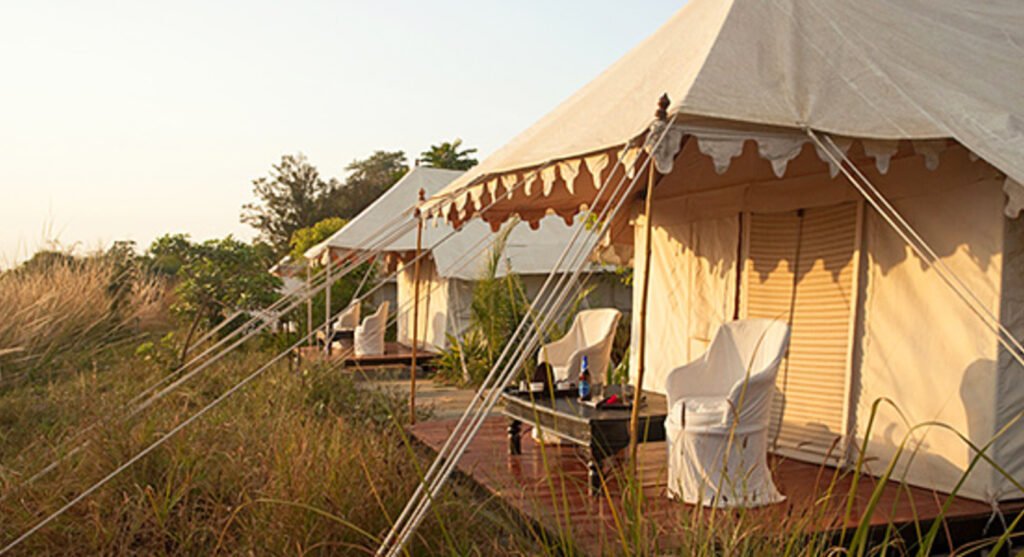
Khem Villas
An intimate jungle camp on the edge of Ranthambore National Park, Khem Villas was created by the family behind the tiger conservation movement in Ranthambore. Accommodation ranges from luxury tents to stone cottages set in 12 acres of regenerated wilderness with its own lakes attracting birds, chinkara and the occasional leopard.
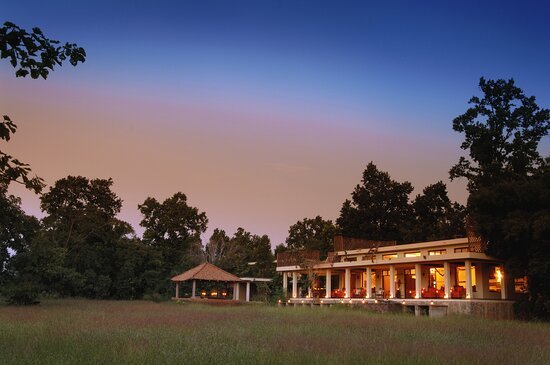
Mahua Kothi Taj Safari
The first of the Taj Safari lodges, Mahua Kothi sits in 40 acres of forest at Bandhavgarh. Its twelve kutiyas (jungle village huts) are built in traditional Central Indian style with mud walls and thatched roofs, and its naturalists are among the finest in India.
Accommodation displayed here should be taken as a guide only. Please refer to the detailed itinerary of your individual departure for more information.
Where You Stay
What's Included
Frequently Asked Questions
No reputable operator can guarantee tiger sightings — these are wild animals in natural habitat. However, the parks on this itinerary have among the best sighting records in India, and multiple game drives significantly increase your chances. Even without a tiger, the wildlife and birdlife encountered on every drive make the experience richly rewarding.
October to April is the main season, with March to May offering the highest sighting probability as animals concentrate around water sources — at the cost of higher temperatures. Most parks close entirely from July to September for the monsoon.
Neutral-coloured clothing (khaki, olive, brown), a warm layer for cold dawn drives in winter, sun protection, and binoculars. Camera equipment with zoom lenses is worthwhile; most lodges can arrange charging between drives.
Yes — extra safari days, different lodges, private vehicles and additional destinations can all be arranged. Contact us to tailor the journey to your interests.
Other Journeys You May Like